


Bosch IoT solutions make hospitals smart
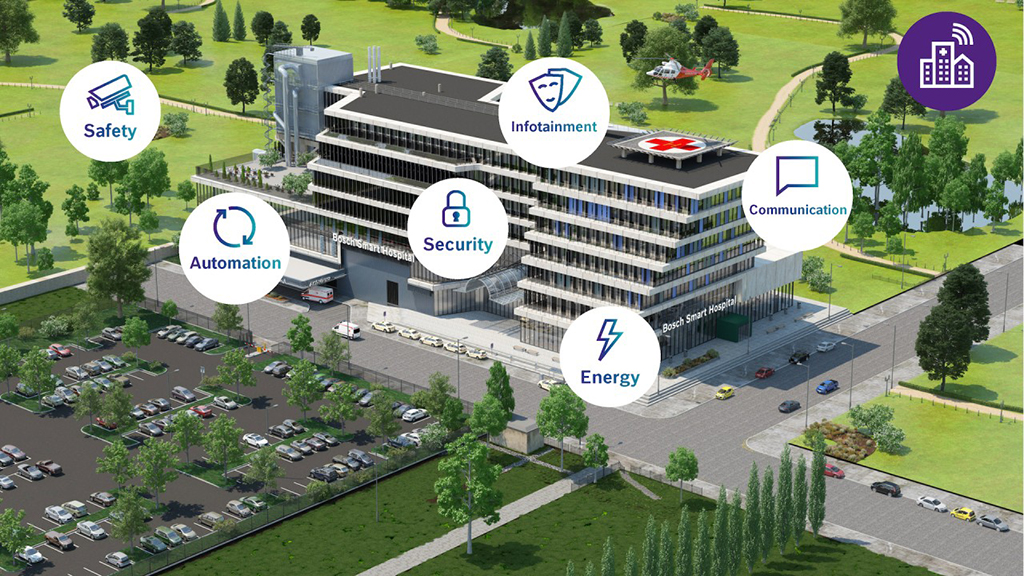
The Internet of Things offers security and protection to hospitals in addition to providing them with greater comfort and efficiency. Bosch plans to generate in the coming years sales of around 100 million euros through Smart Hospital projects.

Prevent the theft of valuable medical equipment, prevent unauthorized persons from entering restricted areas, and inform emergency staff of the arrival of a rescue helicopter is possible with the help of intelligently connected cameras and video technology. Things that until now would seem impossible in hospitals, or that were only possible as standalone solutions and not digital, possible results with the technology of Bosch and the Internet of Things (IoT).
According to the insurance sector, the theft of endoscopic devices causes million-dollar losses for hospital management across Europe. Video technology based on sensors strategically placed in hallways and at entry and exit points can provide crucial evidence to implicate thieves.
Smart lighting, motion detectors connected to doors and windows and intruder alarm systems scare away thieves, prevent theft and save healthcare managers the high cost of having to replace valuable medical equipment.
“The so-called Internet of Things has finally arrived in hospitals. Safety and security are not the only advantages, connected solutions also provide greater convenience and efficiency in hospitals. Bosch plans to generate in the coming years sales of around 100 millions of euros through smart hospital projects, ensures Stefan Hartung, member of the Management Board of Bosch and responsible for the Energy and Building Technology business area.
Digitization of hospitals
According to a study conducted by the consulting firm Roland Berger, casi el 90% of hospitals have developed a digitization strategy to increase their efficiency and economic performance; and the infrastructure is no exception. “We would like to benefit from this challenge, por lo que vamos a ampliar nuestras actividades comerciales de productos y servicios conectados en los hospitales. A través de nuestras soluciones inteligentes, queremos contribuir a una mayor calidad de vida, seguridad y protección en los hospitales, así como a una mayor conservación de los recursos”, afirma Hartung.
Los hospitales trabajan bajo una fuerte presión. Tienen que funcionar sin contratiempos las 24 hours of the day, los 365 días al año. Bajo una creciente presión de los costes, los médicos y enfermeras tienen que cuidar no solo de los pacientes, sino también del equipo médico que tiene que ser igualmente protegido, al tiempo que la infraestructura técnica debe ser gestionada de manera óptima.
Con sus soluciones hospitalarias inteligentes, Bosch ayuda a los gerentes y al personal de los hospitales en sus tareas técnicas y administrativas. Los pacientes también se benefician de nuevos servicios conectados en las salas hospitalarias, como sistemas de información y entretenimiento interactivos.

Hospital Universitario de Múnich
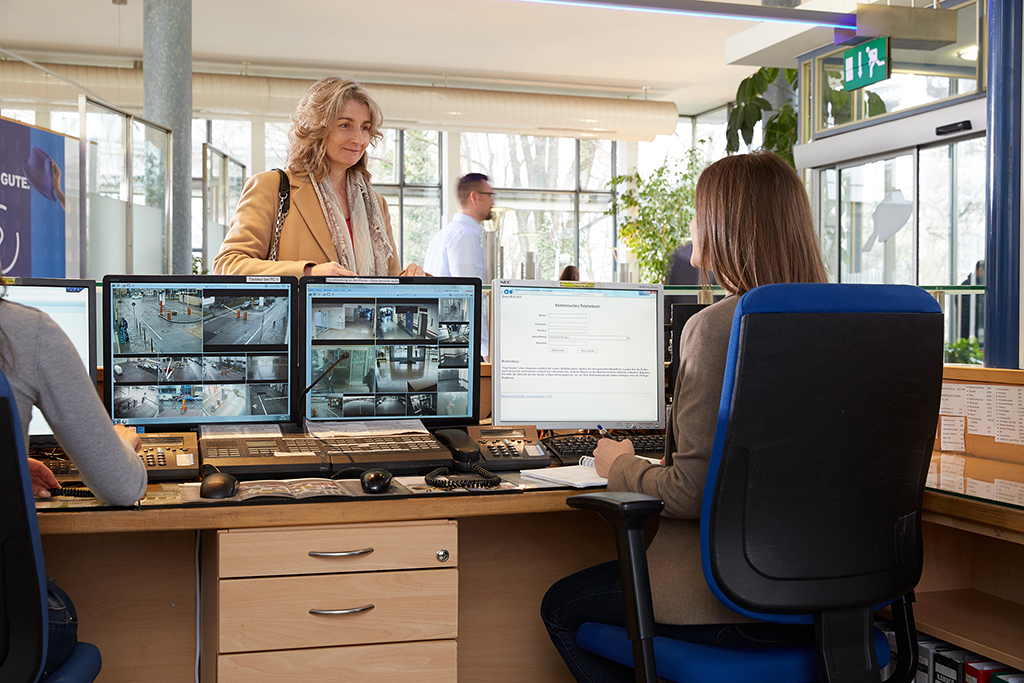
En el hospital Rechts der Isar de Múnich, uno de los más grandes de Alemania, se encuentra un centro de control conectado que garantiza una visión óptima de los procesos de seguridad relacionados con el hospital. Desde allí, los empleados pueden monitorizar los accesos, los interfonos y las cámaras de vídeo instaladas.
Cuatro monitores multipantalla permiten tener vigiladas las 34 clínicas y departamentos del centro médico. The system is also used to control important access points for security.
Besides, the connected cameras and monitors record the landing of rescue helicopters, they notify emergency services directly of their arrival and inform the necessary personnel in each case.
To enable these new functions, Bosch has added Internet capabilities to existing non-digital surveillance cameras and networks them to create a unique system, saving the cost of having to purchase more 70 cameras, reducing the operating expenses of the facility and making the employees' work easier.
Climatec: partner in the United States
In North America, Bosch's subsidiary, Climatec, is a long-time partner of the Banner Health system, one of the largest nonprofit healthcare providers in the United States.
At the moment, Bosch plans, develops and integrates solutions for new and renovated hospitals in the 29 facilities of this client located in seven states.
In fifteen of these Banner facilities, Bosch provides integrated, connected and single-source services for building automation, air conditioning, fire detection services, as well as nurse call systems and patient information and entertainment systems. The goal is to use cost-effective and secure connected solutions to create comfortable environments and provide medical care to patients.

NH Hospital in Bangalore
Since December 2016, Bosch se ha convertido en socio energético de un centro de tratamiento de cáncer que cuenta con 750 camas en Bangalore, India, y que trata a alrededor de 390.000 pacientes al año. La instalación forma parte de la cadena de Narayana Hrudayalaya (NH).
Con 30 hospitales en 18 lugares, NH es uno de los mayores proveedores de atención médica en la India. En el corazón del proyecto se encuentra una solución energética basada en sensores y software que garantizará un alto grado de eficiencia energética a largo plazo, proporcionando un alto confort a los pacientes y al propio personal.
Bosch también está ayudando a la gestión de instalaciones en su trabajo cotidiano con un innovador sistema de administración y monitorización de energía, lo que permite a la instalación reducir los costes en un 12%. Los miembros del personal pueden utilizar sus smartphones, tablets y portátiles para acceder a los datos de energía en cualquier momento y reaccionar inmediatamente ante cualquier irregularidad.
Posicionamiento en interiores
Junto con otros socios, Bosch se dedica a desarrollar servicios IoT adicionales para el sector hospitalario.
En las emergencias, las soluciones interiores inteligentes ayudan, For example, a localizar rápidamente al equipo médico necesario y transportarlo a una determinada área del hospital. El posicionamiento en interiores funciona equipando con sensores los equipos médicos esenciales u otros objetos.
Utilizando tecnología de sensores, éstos transmiten su posición o condición (como el estado de su batería), in real time, through an internal network or a cloud to doctors and nursing staff. These solutions speed up processes in hospitals and can even save lives, because in an emergency every second counts.
¿Te gustó este artículo?
Subscribe to our NEWSLETTER and you won't miss anything.