


Alstom Mastria manages the flows of people in means of transport
Esta solución de supervisión y movilidad multimodal, hace uso de la Inteligencia artificial, el Big Data y el aprendizaje automático lo que le permite ofrecer una mayor visibilidad sobre la distribución y el flujo de pasajeros en trenes y estaciones.
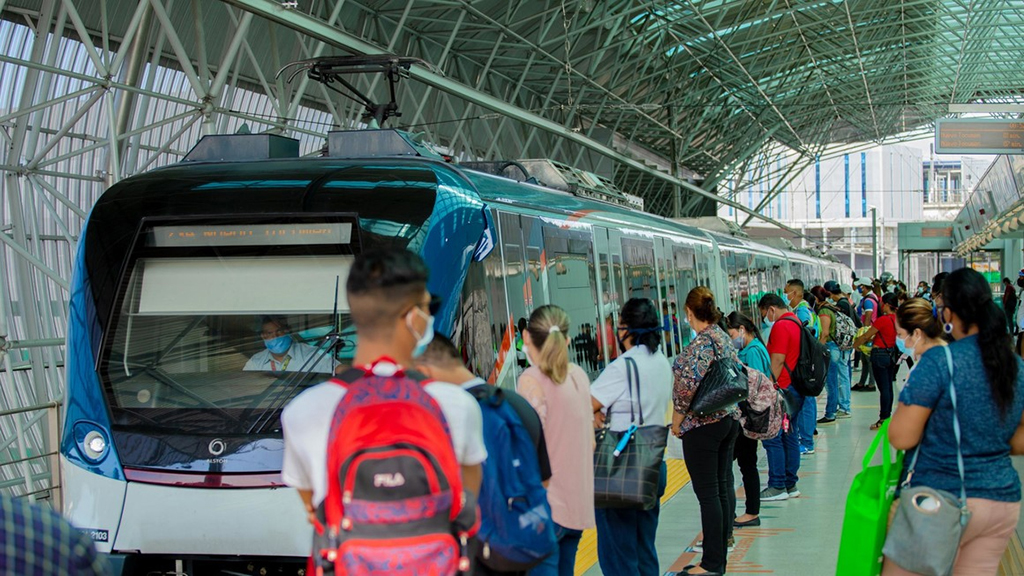
Alstom ha lanzado una nueva versión de Mastria, una solución de supervisión y movilidad multimodal que utiliza la inteligencia artificial para proporcionar a operadores y autoridades de transporte herramientas para la gestión del flujo de pasajeros.
Permite que los operadores puedan adaptar, fácilmente y en tiempo real, su oferta a los diversos requisitos de distanciamiento social y reunión pública que han surgido debido a la pandemia de COVID-19.
Gracias al Big Data y el aprendizaje automático, Mastria ofrece una mayor visibilidad sobre la distribución y el flujo de pasajeros en trenes y estaciones, así como funcionalidades predictivas. Con esta solución se puede anticipar y controlar la densidad y las operaciones de pasajeros en tiempo real, adaptando la frecuencia del tren, la capacidad y la cantidad requerida de trenes, así como los flujos de pasajeros hacia las estaciones, entre otras cosas.
Facilita el poder coincidir el suministro de trenes con la demanda, optimizando las condiciones de operación, incluidos los costos, y es especialmente útil para gestionar los picos de demanda fluctuantes, como durante las horas de mayor afluencia, eventos o restricciones especiales de movilidad, como en el caso del COVID-19.
La nueva implementación de Mastria agrega información sobre la demanda de pasajeros de sensores de trenes, máquinas de tickets, señalización de tráfico, sistemas de gestión, cámaras de vigilancia y redes móviles para ofrecer una imagen en tiempo real de los flujos de pasajeros.
Desde este punto, procesa la información y la transmite a los operadores para garantizar y anticipar niveles específicos de ocupación, como porcentaje de la capacidad máxima, at all times. Puede sugerir aumentar la frecuencia de los trenes, redistribuir el flujo de personas a estaciones particulares, reajustes a otros sistemas de transporte, restrict entry to stations or even manage the distribution of passengers on the platform to align them with cars that have more space on a train.
“To predict is to prevent. The ability of this tool to analyze millions of data points in real time makes it an indispensable ally for operators at all times, but especially in the current context. Experts agree that public transport, and particularly rail, will continue to be the backbone of urban mobility. Artificial intelligence will be our best travel companion in this new era of mobility”, comments Stephane Feray-Beaumont, Vice President of Innovation and Smart Mobility at Alstom Digital Mobility.
The experience of Panama
Alstom implementó Mastria en el metro de Panamá a fines del año pasado. The goal was to analyze passenger flows and offer a way to avoid congestion that appeared at unpredictable times and only at certain stations.
In just three months, and thanks to deep learning techniques (artificial neural networks that enable self-learning algorithms), it is possible to predict localized congestion up to 30 minutes before it can be visibly observed, which allows corrective actions that reduce waiting times at stations.
At the moment, in response to the Covid-19 situation, the same technology is being used to adapt operational actions that maintain the train load at 40% its maximum capacity, according to the recommendations of the country's health authorities.
Using various data sources, such as user travel information and vehicle weight, new features have been developed: real-time monitoring of passenger density and flows in stations and trains, with new predictive alerts, simulation of station entry and exit, and analysis of passenger distribution along trains.
Mastria Technology
Mastria is based on four standard functions: multimodal supervision, traffic management, operations coordination, and predictive analysis. These are highly configurable and can be combined according to the needs of operators and the global mobility network environment.
Esta tecnología ingiere datos de sistemas externos de información y control a través de conexiones de red seguras. Es flexible y escalable, y se adapta a diferentes redes de transporte de cualquier tamaño. Besides, puede ampliarse para incluir nuevas líneas o medios de transporte adicionales.
Numerosas implementaciones piloto de la tecnología de inteligencia artificial de Mastria ya se han realizado en París, Florencia, Zaragoza y Panamá.
¿Te gustó este artículo?
Subscribe to our NEWSLETTER and you won't miss anything.