


Hanwha explains how to use AI in video surveillance applications
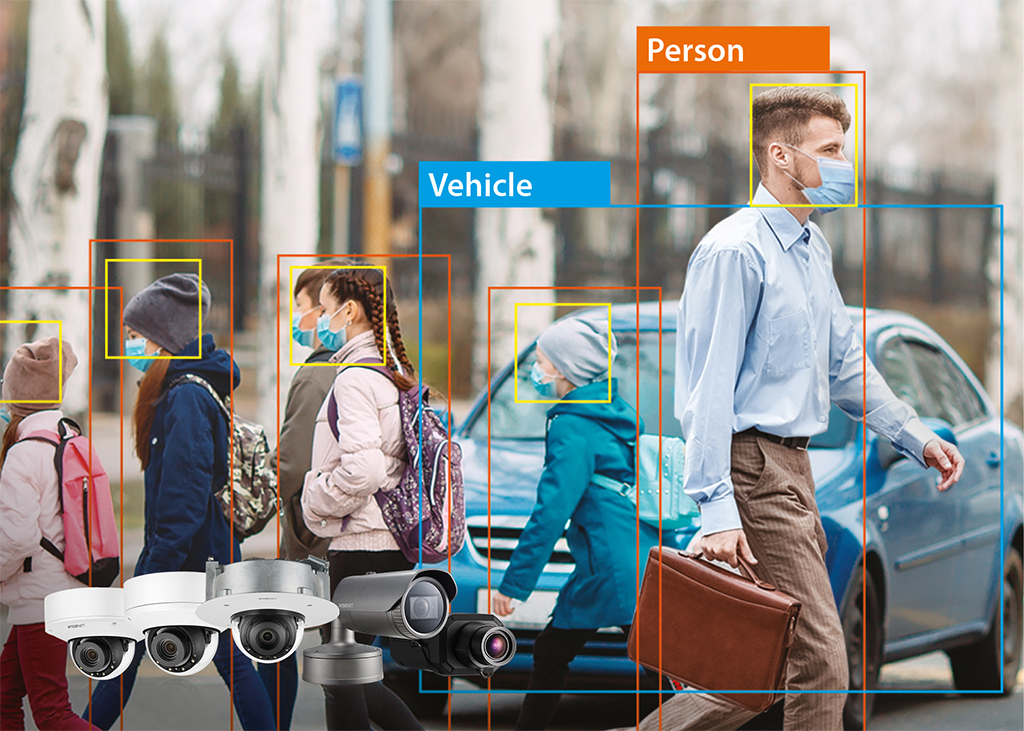
AI offers great benefits in the security market, as long as it is used properly. Hanwha analyzes how it should be applied responsibly without compromising privacy or civil liberties.
To Hanwha Techwin the technology of video surveillance it must be used responsibly. It is important to have regulation for the technology, such as live facial recognition. But when evaluating these technologies, one must be careful not to discard the artificial intelligence (IA) and its benefits due to regulation.
Throughout history, technology has been used for both good and evil. There is no better example of this than personal computers. Connected to the Internet, a humble PC opened the world to its users, making communications with friends and family on the other side of the world easy and inexpensive.
However, in the wrong hands, the same personal computer allowed hackers to access corporate and government networks with insufficient security, and thus steal confidential information and sell it to the highest bidder.
What we do is continuously evaluate the available technology and carefully analyze the value it brings, as well as its potential for misuse.
Nowadays there is a specific concern throughout society about technologies that, used irresponsibly, will infringe on our privacy and undermine civil liberties. Esto incluye una serie de tecnologías que utilizan la inteligencia artificial (IA), en particular el reconocimiento facial en directo (LFR). Varios cuerpos policiales en toda Europa utilizan LFR, pero han surgido una serie de desafíos legales en torno a su utilización.
Se logra el equilibrio
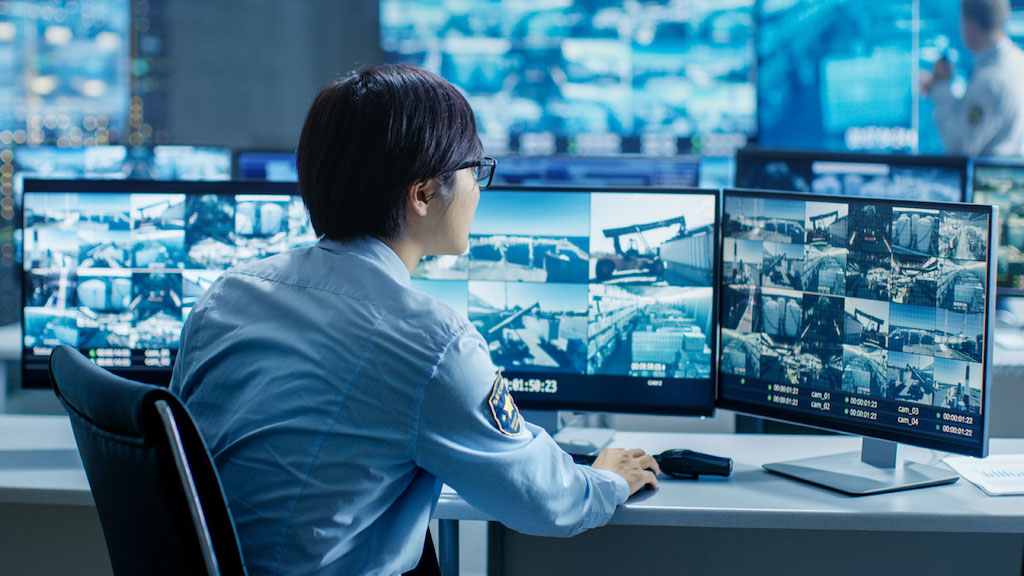
LFR es uno de los muchos ejemplos de inteligencia artificial operativa en tecnología de vídeo. Empleada en sistemas de vídeo, puede mejorar la calidad de la imagen, reducir el ruido de la imágen y eliminar las falsas alarmas, asegurando que los operadores solo se concentren en los incidentes y eventos que interesan. Utilizada de esta manera, permite ahorrar tiempo, reducir los costes, aumentar la eficiencia y mejorar la seguridad.
At the same time, la Comisión Europea propone el primer marco legal sobre inteligencia artificial para dar a los desarrolladores, instaladores y usuarios de sistemas con inteligencia artificial requisitos y obligaciones claros con respecto a los usos específicos. Para esto, es fundamental la identificación de diferentes niveles de riesgo asociados a una aplicación particular de inteligencia artificial.
Es importante destacar que la Cmisión también espera que la regulación “fortalezca la aceptación, la inversión y la innovación en inteligencia artificial en toda la UE». Se requiere un equilibrio entre la regulación del uso de la tecnología, para garantizar que no viole los derechos individuales, and foster innovation that leads to more and more applications in which artificial intelligence can provide real benefits.
Responsible manufacturers like Hanwha Techwin are used to achieving these balances. Does not offer a live facial recognition solution in Europe. Y, as a Korean manufacturer, that complies with NDAA, that has full control over its supply chain and solid cybersecurity expertise, they advocate the responsible use of video surveillance technology.
The appropriate place for artificial intelligence
We support proper regulation and public debate on the responsible use of technologies like artificial intelligence. Pero al mismo tiempo es importante que se reconozca y fomente el papel que desempeña la inteligencia artificial en la tecnología de vídeo para ayudar a mantener los espacios públicos operativos, seguros y eficientes.
Hanwha es pionera en el uso de la inteligencia artificial integrada en las cámaras de vídeo para acometer los desafíos a los que se enfrentan las fuerzas policiales cuando investigan delitos. Fundamentally, esto se logra sin afectar las libertades civiles.
La inteligencia artificial puede ayudar a los agentes de policía a localizar a una persona desaparecida mediante el examen de muchas imágenes de vídeo y la clasificación rápida de las imágenes para extraer solo aquellas que incluyan determinados atributos, like the color of the clothes the person is wearing, if they were wearing a hat or carrying a bag, or even if they were moving in a certain direction.
What previously took the police several days, can now be done in a matter of hours, freeing up officers to carry out more detailed investigative work instead of manually going through video sequences. Artificial intelligence makes it possible.

How to do the right thing
Crucially, this use of artificial intelligence has no implications for privacy, since these systems are designed to focus on objects and attributes rather than identifying people through facial features.
It is even requested that artificial intelligence protect the identity of people captured in the video, by removing the faces of anyone except the missing person and making them unrecognizable. Only the police and the courts, and those who have permission to access the unedited video footage, will be able to do so.
In light of all the amazing things that can now be done with artificial intelligence, it would be a shame if, in the quite appropriate evaluation of technological forms that may pose a threat to privacy, artificial intelligence and its benefits were discarded because of regulation.
¿Te gustó este artículo?
Subscribe to our NEWSLETTER and you won't miss anything.