


Axis avanza las tendencias tecnológicas del sector de la seguridad en 2025
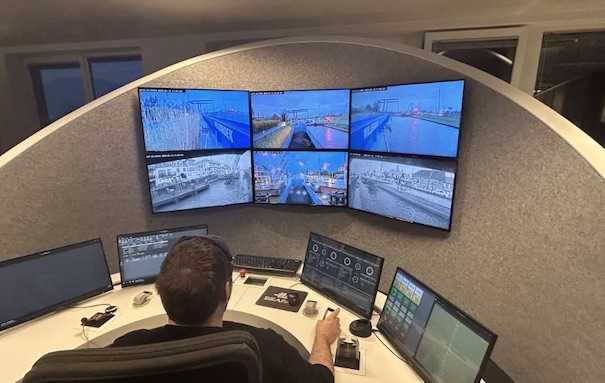
The next twelve months will be marked in the security sector by evolutions from previous years, although AI technological innovation will focus most of the developments, as analyzed by experts Axis Communications: Johan Paulsson, Mats Thulin and Thomas Ekdahl.
Although the pace of changes is faster than ever, as pointed out by Axis en su trend analysis for the present 2025 in the security environment, some of them are evolutions that began in previous years.
An obvious trend is the continued interest in how AI will be applied in the security sector, in which Axis highlights some considerations that will have to be addressed in the future and others that have recently emerged.
Según la infografía realizada por esta compañía, los legisladores nacionales y regionales intentarán de nuevo mantener el ritmo de la innovación tecnológica en IA, cybersecurity, privacidad… que marcarán el enfoque de las normativas propuestas y de nuevo cuño a las que cada organización tendrá que responder.
“Creemos que dentro de todas estas tendencias -señalan desde Axis- hay una oportunidad significativa para el sector. Para nuestros clientes, esto significa capacidades mejoradas, more flexibility, mayor eficiencia y mayor valor”.
Soluciones híbridas: la base de la libertad de elección
En años anteriores, Axis ha destacado cómo las arquitecturas híbridas, aquellas que hacen el mejor uso de las tecnologías perimetrales, in the cloud and on-premises, se han convertido en la opción de facto para las soluciones de seguridad.
Los factores que deciden las elecciones en materia de arquitectura serán únicos para cada organización, teniendo en cuenta las preocupaciones y los requisitos tecnológicos, legales, éticos y de gobernanza. El entorno evoluciona rápidamente, por lo que la libertad de elección es imperativa.
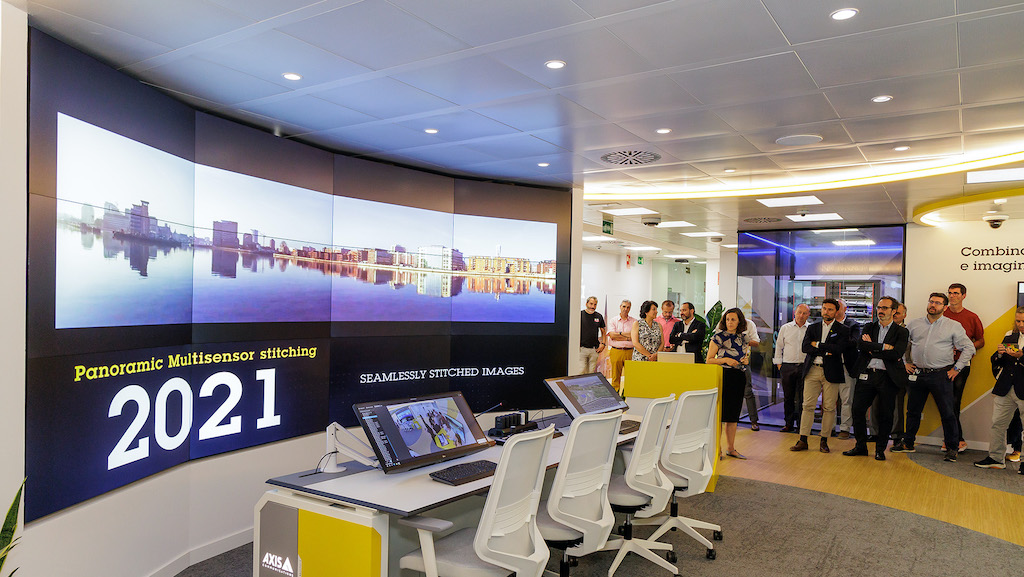
Las soluciones híbridas ofrecen libertad de elección para almacenar vídeo, visualizarlo o gestionar dispositivos, etc. Combinando tecnologías perimetrales, en la nube y locales para obtener una solución de sistema total óptima o utilizando su flexibilidad, la organización deberá elegir la que mejor se adapte a su negocio.
Tanto si lo exigen las normativas locales y regionales emergentes o las preocupaciones sobre el control de los datos, los costes o la eficiencia energética, las soluciones híbridas seguirán ofreciendo la mayor flexibilidad a la hora de crear arquitecturas que se adapten mejor a las necesidades específicas de cada organización y permitan escalar un sistema.
Evolución de la IA
El desarrollo en el campo de la IA sigue avanzando. Las tecnologías de aprendizaje profundo son la base de la mayoría de las soluciones analíticas del sector de la seguridad, mientras que las tecnologías de inteligencia artificial generativa más recientes están madurando rápidamente.
Desde Axis apuntan que “todavía hay mucho revuelo en ciertas áreas, but there are increasingly more real applications of generative AI in the security sector. Every step of evolution brings with it a new set of opportunities, but also ethical, legal and corporate considerations.
Generative AI models are large and require a lot of computational power to run, which creates a debate about how to balance their cost (both in terms of financial investment and energy use and environmental impact) with their value.
In this sense, Axis experts point out that "a great effort is being made to reduce the size of the models while maintaining the quality of the results. The increase in the use of AI technologies reinforces hybrid architectures as the standard.
The various 'flavors' of AI, from deep learning-based object recognition to generative AI, require or benefit from their application at different locations in the value chain and in specific environments.
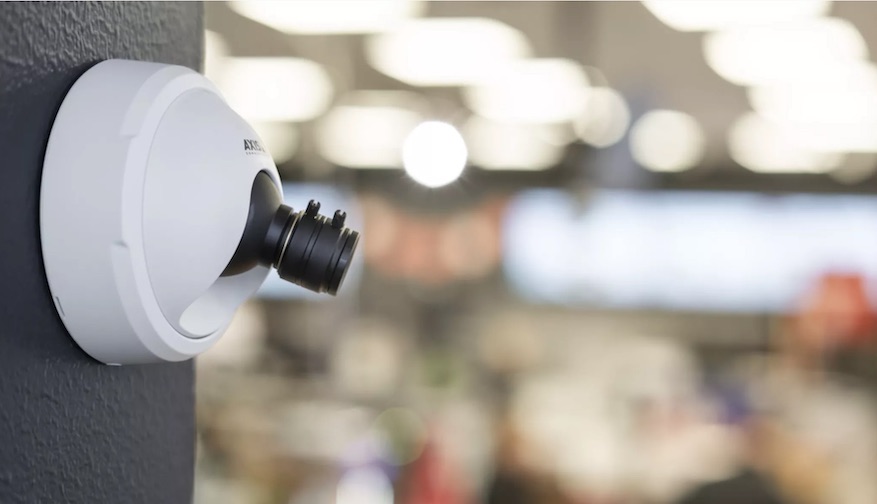
Generative AI can help operators interact with security solutions in natural language, pero, at least in the near future, will require significant processing power. On the contrary, deep learning-based analytics, such as enhanced object recognition, can be run inside the surveillance cameras themselves.
Con el tiempo, this will allow generative models to run, at least partially, in cameras with high-quality results. At the same time, models are improving in terms of quality regarding ethical aspects, biases, hallucinations and the risk of making incorrect decisions.
Over time, we will have a great opportunity to drastically change the efficiency and effectiveness of security operations. Algorithms will be able to understand what is happening in a scene and react to anomalies, based on the analysis of different types of input data, including, inter alia, visual information.
Input data comes from radar, audio and other sensors, which will create solutions that allow the development of increasingly proactive capabilities and generate valuable information on security scenarios for long-term planning.
The future of security becomes reality
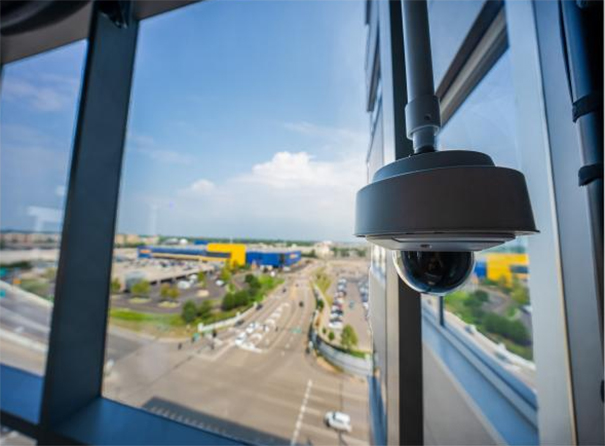
The application of computer vision, audio, access control and other increasingly advanced connected technologies continue to serve security and protection use cases.
Greater accuracy of analytics through the application of AI, especially in object recognition, means that incidents can be responded to more quickly and effectively than before.
Data generated by sensors of all kinds (video, audio, environmental, etc.) they can provide a benefit to numerous use cases beyond the traditional ones. Although it still represents a relatively small part of the market, from Axis they foresee an acceleration of applications aligned with operational efficiency and business intelligence.
This trend emphasizes the opportunities for greater collaboration between customer organizations. The technology that is acquired or specified for one use case could be used in another area of a company's operations.
For example, The data created by video cameras mainly used for security purposes can be analyzed over time to improve the customer or employee experience, sustainability or process efficiency.
Thanks to the high-quality hardware platforms available, the pace of development and innovation is astonishing. Hardware providers that foster an open and collaborative ecosystem of application developers and system integrators will deliver greater value to customers more quickly.
The 'rebirth' of image quality
Suggesting that a focus on image quality is a trend in the industry, where many would assume it has always been a priority (and this is indeed the case), may not fit into this analysis, as pointed out by this manufacturer. The trend is how images from visual sensors are used and, with it, the opportunities offered by having better image quality.
The paradigm changes when it is considered that images are now usually initially viewed and analyzed by computers rather than by humans, and that they are viewed continuously, instead of when an incident of interest has occurred.
Advances in analytics and AI mean that a higher-resolution image inevitably produces a better result, whatever the use case. Object recognition will be more accurate and data (and metadata) more detailed. The push towards even better image quality has been reactivated.
With this, opportunities have arisen in terms of efficiency and effectiveness. A single camera that produces much higher image quality can now cover an area for which several devices would have been needed before.
Higher resolution images are also compatible with analytics, For example, in large crowds, busy traffic intersections, or fast-moving production lines.
The human still remains very 'informed', and operators will automatically receive alerts about the scenes they need to pay attention to, which will increase the efficiency and effectiveness of a response.
I, m, a.
g
e, hardware quality has improved year after year. Nowadays, q, u, a.
But, l, i, t, incluida la ciberseguridad y, therefore, su valor de por vida, viene a través de la asistencia continua del software.
Los compromisos de los proveedores con el soporte del software durante toda la vida útil prevista del hardware son esenciales, ya que continúa mejorando y desarrollando las capacidades de la cámara, manteniéndola lo más segura posible.
Esto también supone un respaldo para el coste total de propiedad del hardware. Una inversión en una cámara de mejor calidad, con un soporte de software integral a lo largo de su ciclo de vida útil, será en última instancia una solución más eficaz y eficiente.

Autonomía tecnológica en pro del cliente
Ultimately, The role of Axis and our partner ecosystem is to focus on meeting customer needs. Technology by itself is not very useful: Innovations must align with the end user's priorities.
As the company points out, this means supporting customers' goals in terms of security, operational efficiency and business intelligence. But also enhancing their cybersecurity posture, commitment to sustainability through energy-efficient solutions and flexibility and freedom of choice thanks to technologies and platforms based on open standards.
Technology providers with more autonomy over their core technologies are clearly in the best position to respond to their customers' requirements. Greater control over core technology will allow them to design specific capabilities and functionalities aligned with customer needs in their products and fulfill the commitment to be 'secure by design'.
Besides, greater control of technology, at the component level or even of materials, is an important prerequisite to more effectively mitigate the risks of a broader disruption of global supply chains. This improves the ability to meet customer requirements at the right time.
As Axis points out, “ya estamos viendo empresas que tradicionalmente se veían como proveedores de software que obtienen más control sobre la prestación de sus servicios, especialmente en el área de la IA, y prevemos que esta tendencia continúe en todos los sectores”.
La independencia de la tecnología principal es una tendencia “con la que nos enorgullece decir que estamos un poco por delante, ya que hemos desarrollado nuestro propio sistema en chip, Artpec, durante los últimos veinticinco años”.
¿Te gustó este artículo?
Subscribe to our NEWSLETTER and you won't miss anything.