


Axis: forensic verification technology to fight deepfakes
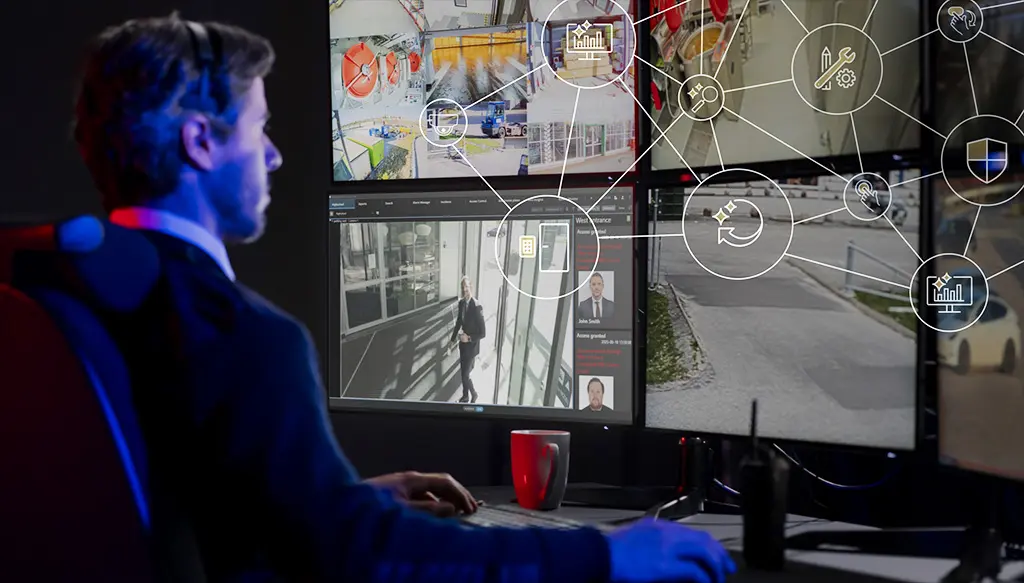
Given the increasing manipulation of visual content through AI, with an increase in video deepfakes of a 550% between 2019 y 2024, Axis Communications presents a signed video technology that cryptographically protects the video at the moment of its capture.
Authentication is implemented directly in the camera through the cybersecurity platform Axis Edge Vault, which adds a cryptographic signature unique to the video stream and creates verifiable proof that the video has not been altered since it left the device. Alberto Alonso, program manager, cybersecurity and compliance at Axis Communications for Iberia, emphasizes the value of the solution in all types of environments: 'The need for reliable forensic video evidence is more important than ever for businesses, judicial institutions and law enforcement. (…) Firmar el vídeo dentro de la propia cámara en lugar de hacerlo más tarde durante el procesamiento constituye un valor diferenciador, ya que elimina cualquier duda de que el contenido haya podido ser editado después de su captura”.
Para favorecer una amplia adopción y transparencia, Axis ha puesto a disposición del mercado sus herramientas de verificación de vídeo como software de código abierto. La iniciativa permite que cualquier tercero, desde organismos encargados de hacer cumplir la ley hasta equipos jurídicos y otros fabricantes, puedan acceder libremente e inspeccionar el código utilizado para validar la autenticidad del vídeo. Este enfoque abierto de verificación elimina cualquier dependencia de herramientas propietarias para comprobar las pruebas y genera confianza en todo el sector.
El proceso de verificación se combina con el mecanismo de firma seguro y propietario integrado en la plataforma Axis Edge Vault de la propia cámara. Al controlar el entorno de firma, Axis garantiza la integridad de la firma criptográfica desde el momento de su creación.
Axis y su relación con ONVIF
La implementación de vídeo firmado de Axis se ajusta a los principios del marco estándar ONVIF (Open Network Video Interface Forum), que a su vez colabora con la Coalition for Content Provenance and Authenticity (C2PA) para promover estándares complementarios de integridad de vídeo. Conocido como ‘media signing’, este marco asegura que el material de vídeo se firma criptográficamente en el momento de la captura with a specific digital key for each individual surveillance camera.
In legal proceedings, police investigations and corporate security incidents, the ability to trace the video back to the original camera and verify that the material has not been tampered with after leaving the device provides a key solution that meets the requirements of the new European regulatory frameworks. La iniciativa, in turn, anticipates European regulations: with the entry into force of the transparency obligations set out in the AI Act of the EU, it will be required that many forms of AI-generated content be labeled as artificial.
While regulations such as the AI Act focus on labeling synthetic content, our solution is based on verifying reality. Creamos un ‘sello de autenticidad’ para los acontecimientos del mundo real. En un contexto legal o forense, esta validación positiva no sólo es útil, sino esencial para mantener la confianza en las pruebas digitales”, concludes Alonso.
¿Te gustó este artículo?
Subscribe to our NEWSLETTER and you won't miss anything.