


Hikvision advocates for more environmentally friendly manufacturing in its security systems
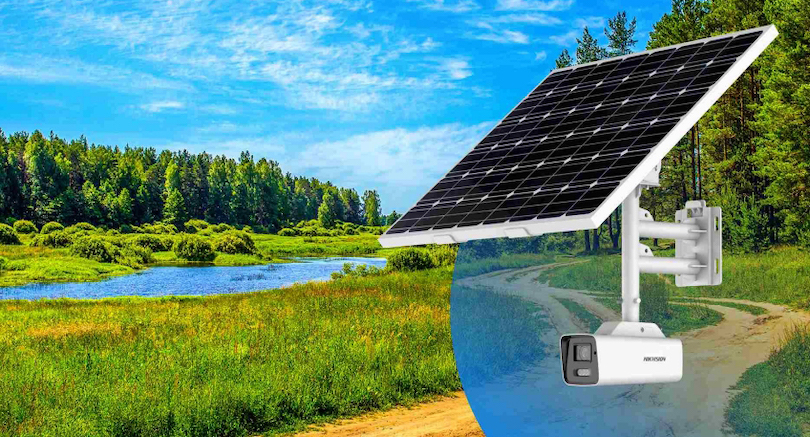
The security solutions provider Hikvision ha dado un paso más en su compromiso para contribuir a reducir la huella de carbono producida por su actividad con la puesta en marcha de un modelo de producción más eficiente, uso de energía sostenible, embalajes ecológicos y más.
Con el objetivo de mitigar el impacto medioambiental de su actividad, Hikvision ha presentado su modelo productivo y operativo, más respetuoso con la naturaleza para reducir el impacto de su huella ecológica. Prueba de ello es la innovación en su cartera de productos, diseñados de manera más eficiente y ahorrando energía desde el mismo momento de su fabricación.
Como señala el comunicado de Hikvision, se está “optimizando el uso de energía and promoting the conservation and recycling of water, reducing pollution, regulating the management of chemical products and adopting sustainable packaging materials.
The goal is to minimize the environmental impact of its business activityand create a production model respectful of Nature with the use of energy from renewable sources, the generation. generation of distributed photovoltaic energy and its storage. In 2022, we buy 32.852 MWh of green energy and generate 4.508,3 MWh through photovoltaic units, emphasize from Hikvision.
Water savings is another aspect the company is working on. Las municipal, surface and groundwater, they are the main water resources currently used, to which active conservation and improvement measures of management systems are added, reducing their waste through balanced analyses, control of use, saving and collection of rainwater.
Besides, Hikvision closely monitors all emissions and waste to minimize their impact whenever possible. For this reason, a waste classification and disposal system has been created during production and operations: general, hazardous and industrial, and the whole process is monitored and recorded to ensure standard and traceable management.
The company also advocates for sustainable packaging to reduce environmental impact. As a result, han podido comprobar que limitando el uso de acolchados de plástico y sustituyendo los forros de plástico de gran volumen por materiales de bajo contenido plástico reducen las emisiones de carbono en 767 toneladas al año.
También se promueven los materiales biodegradables y se ha mejorado la eficiencia del reciclaje de envoltorios y reducido los embalajes.
¿Te gustó este artículo?
Subscribe to our NEWSLETTER and you won't miss anything.