


Mobotix cameras are put at the service of science on the island of La Palma
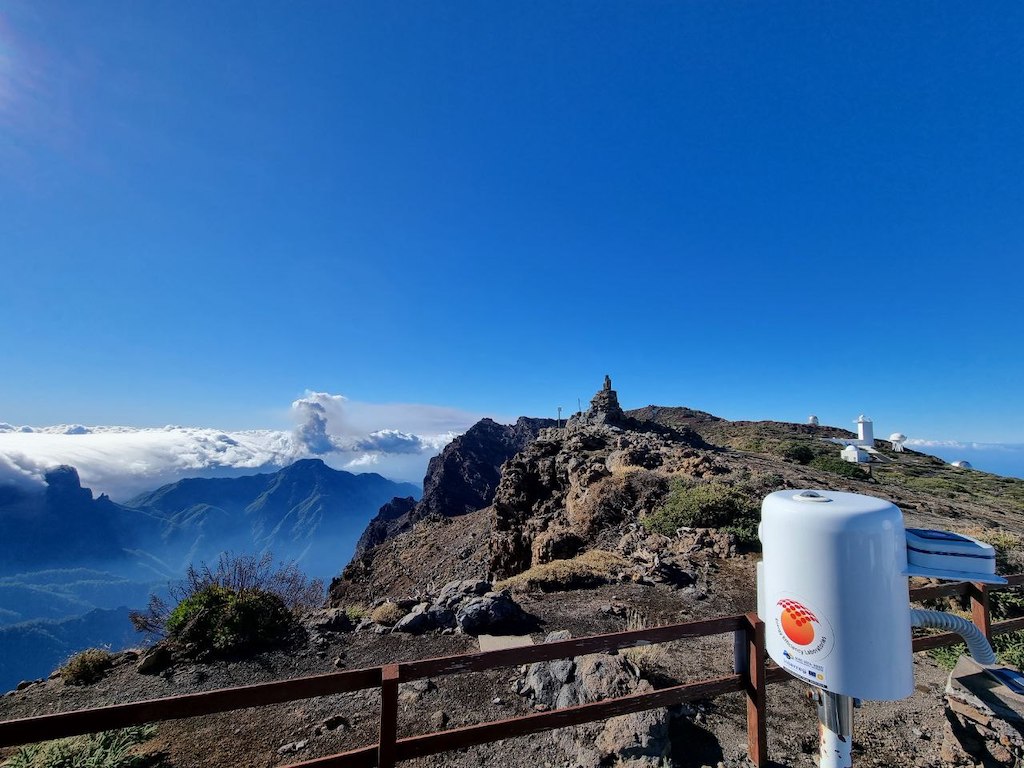
Nearly 1.500 live broadcast hours, with more than 400.000 viewings, have made it possible to follow the evolution of the Cumbre Vieja volcano in La Palma through the manufacturer's cameras Mobotix.
A few weeks ago the activity of the volcano Cumbre Vieja on the Canary Island of La Palma decreased until it practically disappeared. With this inactivity, nearly 1.500 hours of live broadcast -and nearly 400.000 viewings– en las que, over three months, the S16 cameras from Mobotix, installed in the MiNiO controller (Meteo Nano Observatory) of the project Interreg EELabs, have transmitted its evolution from the highest point of the island, he Observatorio del Roque de los Muchachos, in Garafía.
Thanks to the information provided by this camera model since the start of the eruption, last 19 September, he National Geographic Institute (IGN) and the Volcanological Institute of the Canary Islands (Involcan) were able to estimate the height of the gas column and, therefore, its approximate flow.
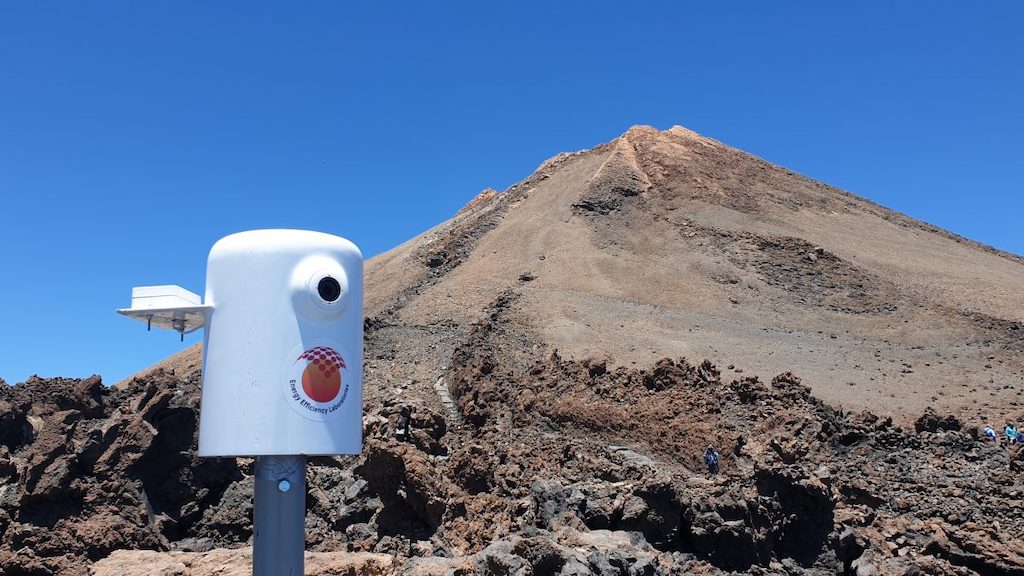 This is just one of more than thirty cameras Mobotix installed at the Observatories of the Canary Islands, which are used to observe the weather on the summits of Tenerife and La Palma, as well as in scientific experiments, as in the case of the devices installed in the MiNiO controllers of the EELabs project, which aim to evaluate the impact of light pollution on the natural ecosystems of Macaronesia.
'The fact that our solutions are so flexible and modular'- states Alfredo Gutierrez, country manager of Iberia & Mobotix Italy- permite que puedan adaptarse de tal forma que cada proyecto pueda ver cubiertas sus necesidades. Ese ha sido el caso de los MinNiO, un gran referente de éxito. Que ahora sirva para ayudar a calibrar el impacto del volcán de La Palma ha sido toda una suerte”.
Los MiNiOs disponen de una cámara all sky S16, con una visión de 180°, y otra M16. Los fines de estos dispositivos de Mobotix son la detección de nubes y la obtención de imágenes del entorno, respectively.
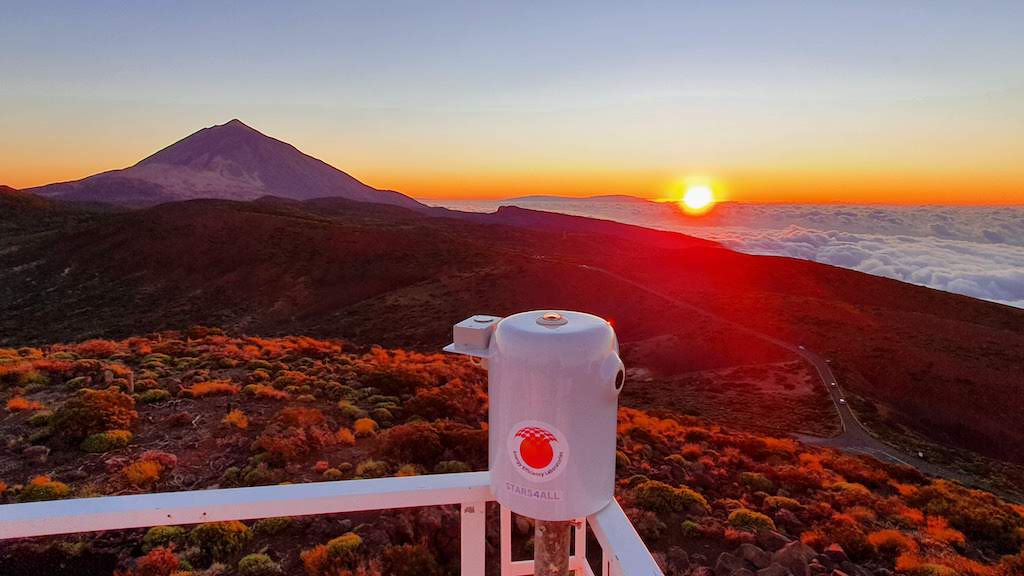 Los MiNiOs cuentan en este proyecto con una raspberry que da servicio de Internet tanto a las cámaras como a los fotómetros del proyecto, que miden la oscuridad natural de la noche en lugares de difícil acceso.
Actualmente hay instalados seis MiNiOs del proyecto Interreg EELabs en Tenerife, La Palma y Gran Canaria que reciben los datos de la oscuridad del cielo de estas islas y cuyas cámaras se pueden consultar a través del portal de sky-live.tv. Durante los próximos meses se instalarán nuevos dispositivos MiNiO en Madeira y Corvo (Azores, Portugal), que permitirán evaluar cómo afecta la contaminación lumínica a las aves marinas.
“Llevamos mucho tiempo trabajando con equipos de Mobotix. Among other advantages, cabe resaltar que son muy resistentes a las condiciones más extremas, lo cual nos permite mantener la monitorización constante de los cielos desde nuestros observatorios”, points out Miquel Serra-Ricart, administrador del Observatorio del Teide, of the Instituto de Astrofísica de Canarias (IAC).
¿Te gustó este artículo?
Subscribe to our NEWSLETTER and you won't miss anything.