


Telefónica contributes to the de-escalation an advanced capacity control system on the beaches
This video surveillance solution is based on IP cameras with 4G connectivity and equipped with powerful software that does not record images or store personal data, but detects which areas are occupied and which are free.
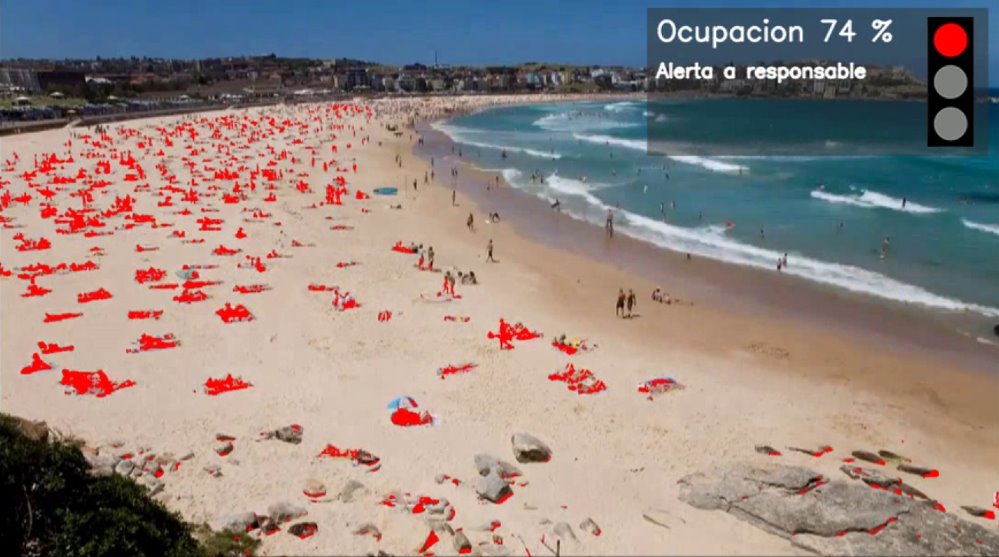
In the de-escalation process that Spain is undergoing, Spanish beaches are gradually beginning to open for the summer with capacity control, for this purpose Telefónica a solution has been developed integrating technology and connectivity to assist municipalities in this regard.
It is a video surveillance system based on IP cameras with 4G connectivity and equipped with powerful software. These devices detect which areas are being occupied and which are free and calculate the occupancy percentage in real time.
Besides, It has exclusive cameras for counting people at beach entrances, which improves system reliability by combining occupancy percentage data with the count of people in a specific area.
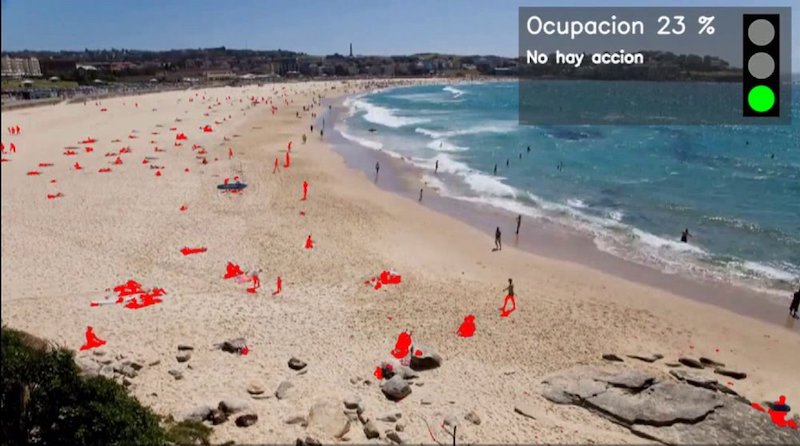 The protocol for opening beaches recommends to the authorities (municipalities, coast authorities, autonomous communities) to determine the capacity of bathers and set the maximum number of people who can go in groups to these spaces.
With this solution from Telefónica, municipalities can control, easily and effectively, el aforo de sus playas a través de unas cámaras que captan fotogramas de la zona.
El software instalado para control de aforo en playas y exteriores X-Occupancy, desarrollado por la empresa Neuratum, no graba imágenes y no almacena ningún dato personal, solo detecta las zonas del espacio que están ocupadas y cuáles están libres.
Desde el panel de control de usuario, un mapa muestra todos los puntos del área de playa y permite visualizar tanto esa área, su porcentaje de ocupación, su aforo actual y el máximo permitido para esa localización. Besides, es psoible configurar las alertas en el teléfono móvil de los responsables de supervisar el aforo.
Este sistema de control de aforo y ocupación cuenta con más del 99% de fiabilidad, según los datos aportados por la compañía, gracias a las cámaras IP, that integrate software with artificial intelligence and computer vision through neural networks, capable of distinguishing other elements and how to discard them from the counting metric, since it only counts people.
¿Te gustó este artículo?
Subscribe to our NEWSLETTER and you won't miss anything.
Other related articles

Telefónica y NOS unen sus capacidades para desarrollar soluciones de Defensa y Seguridad en Europa
Telefónica brings intelligent video surveillance to the roads and rural municipalities of Guadalajara
Telefónica Spain and Amper will modernize the critical DMR and TETRA networks of ten Aena airports
Telefónica digitaliza la gestión de la policía local con un software que integra gestión de agentes, cámaras y radares
Telefónica lleva la seguridad cuántica a las comunicaciones críticas de la Policía Nacional
Telefónica y Airbus: alianza para impulsar la hiperconectividad 5G en el sector aéreo de seguridad y defensa
Así está llevando Telefónica el 5G al ámbito militar y a la ciberdefensa de la OTAN
Serveo and Telefónica Tech seek to optimize road safety with drones
Telefónica shows its solution for border control at Tecnosec and Dronexpo
Telefónica showcases the use of drones to transmit video with 5G on a private network
Acens digitizes the physical security of its data centers with the help of Telefónica
Telefónica develops five initiatives based on 5G with the Malaga Police
Telefónica designs a solution for managing autonomous drone fleets for security
Telefónica and NTT Data bring 5G to the Port of Malaga to improve security
The Magna procession of Malaga tests 5G for security and crowd control