


Telefónica uses drones and IoT technology for early detection of fires
In collaboration with Carlos III University, Divisek and Dronitec have carried out a pilot project using these unmanned vehicles to capture optical and thermal images of the fire, and send, in real time, all the information to emergency services.
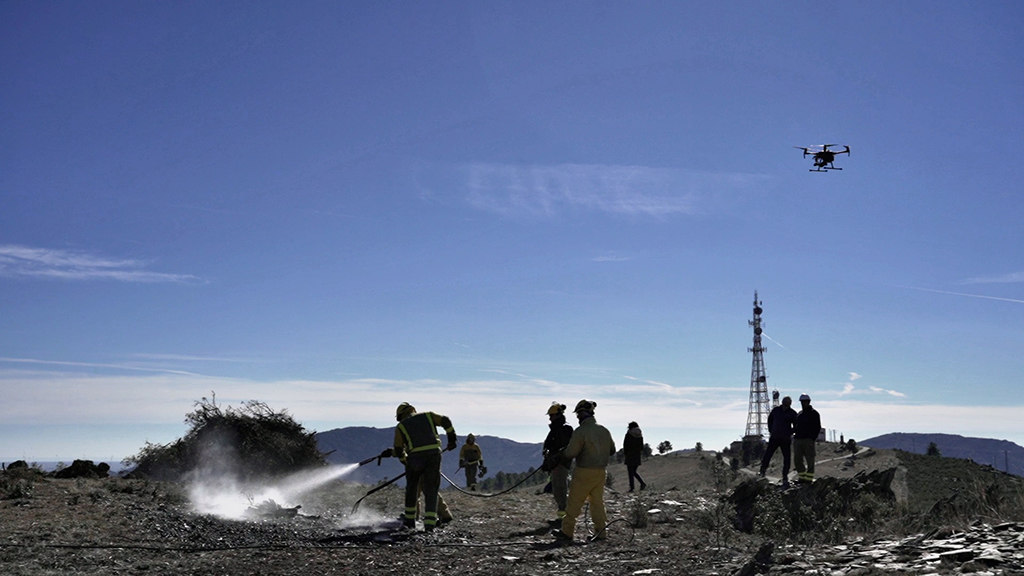
Telefónica, in collaboration with the Carlos III University, Divisek y Dronitec, have conducted in Matachines (Madrid) a pilot of sustainable innovation with drones, based on Internet of Things solutions (IoT) for the early detection and prevention of forest fires, one of the greatest ecological threats in Spain.
'Thanks to IoT technology',, fires can be detected at an early stage and vital information can be obtained to make better decisions in the first moments, lo que puede contribuir a sofocar un fuego incipiente y que no derive en un gran incendio devastador”, destaca Vicente Muñoz, Chief IoT Officer de Telefónica.
El proyecto aprovecha las torres de telecomunicaciones que Telefónica tiene por todo el territorio donde se colocan sensores térmicos capaces de detectar cualquier posible foco de incendio en un perímetro de hasta 15 km. Dentro de estas torres se sitúa un hangar con un dron, equipado también con sensores, una cámara térmica y una cámara óptica, al que los sensores térmicos, una vez detectado un conato de incendio, envían una alarma con la ubicación exacta donde puede haber comenzado un incendio.
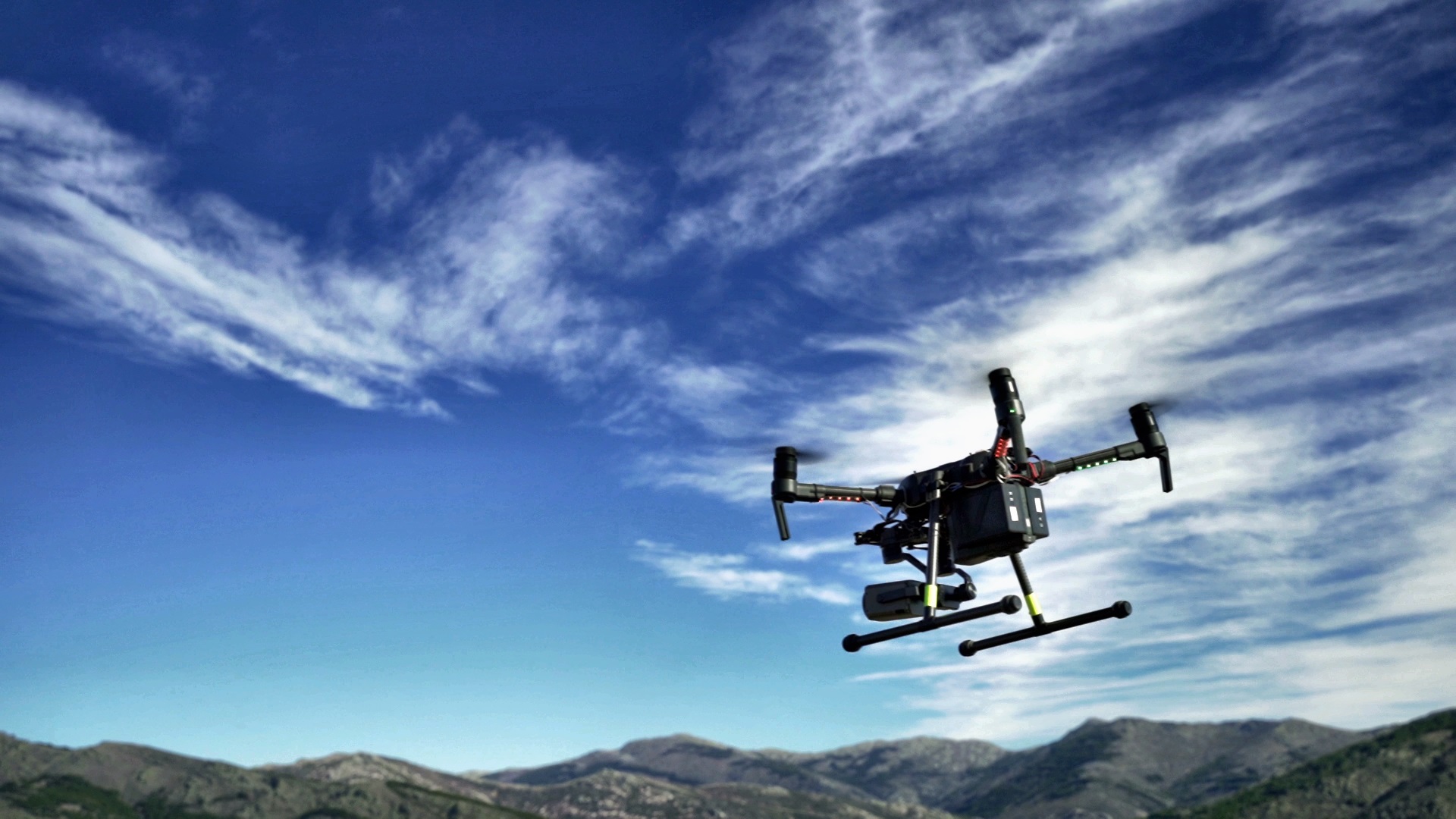
El dron se desplaza de forma autónoma hasta ese punto, even in low visibility conditions, it circles the possible fire to capture optical and thermal images of the fire and sends in real-time all the information it collects, thanks to the mobile connectivity provided by Telefónica towers to emergency services.
This system also allows the emergency control center to take control of the drone at any time to automatically collect more data for it to be available in case another flight is needed. Knowing what is happening allows emergency services to make better decisions such as which team to send or where to attack the fire.
El piloto de drones antiincendios se ha realizado en colaboración con la Universidad Carlos III, Divisek y Dronitec. La Universidad ha desarrollado todo el sistema de vuelo autónomo y la interfaz con la que el servicio de emergencia ve toda la información en tiempo real, mientras que Divisek se ha encargado del sistema autónomo de recarga del dron y Dronitec ha colaborado en toda la parte de servicios asociados al dron.
¿Te gustó este artículo?
Subscribe to our NEWSLETTER and you won't miss anything.
Other related articles

Telefónica y NOS unen sus capacidades para desarrollar soluciones de Defensa y Seguridad en Europa
Telefónica brings intelligent video surveillance to the roads and rural municipalities of Guadalajara
Telefónica Spain and Amper will modernize the critical DMR and TETRA networks of ten Aena airports
Telefónica digitaliza la gestión de la policía local con un software que integra gestión de agentes, cámaras y radares
Telefónica lleva la seguridad cuántica a las comunicaciones críticas de la Policía Nacional
Telefónica y Airbus: alianza para impulsar la hiperconectividad 5G en el sector aéreo de seguridad y defensa
Así está llevando Telefónica el 5G al ámbito militar y a la ciberdefensa de la OTAN
Serveo and Telefónica Tech seek to optimize road safety with drones
Telefónica shows its solution for border control at Tecnosec and Dronexpo
Telefónica showcases the use of drones to transmit video with 5G on a private network
Acens digitizes the physical security of its data centers with the help of Telefónica
Telefónica develops five initiatives based on 5G with the Malaga Police
Telefónica designs a solution for managing autonomous drone fleets for security
Telefónica and NTT Data bring 5G to the Port of Malaga to improve security
The Magna procession of Malaga tests 5G for security and crowd control