


The new era of data control in distributed work control rooms
Las cada vez mayores necesidades de este tipo de instalaciones en entornos de seguridad y vigilancia convierten la distribución de datos, según el análisis de Marcos Fernández, director de Christie para España y Portugal, en un asunto complejo y en constante evolución.
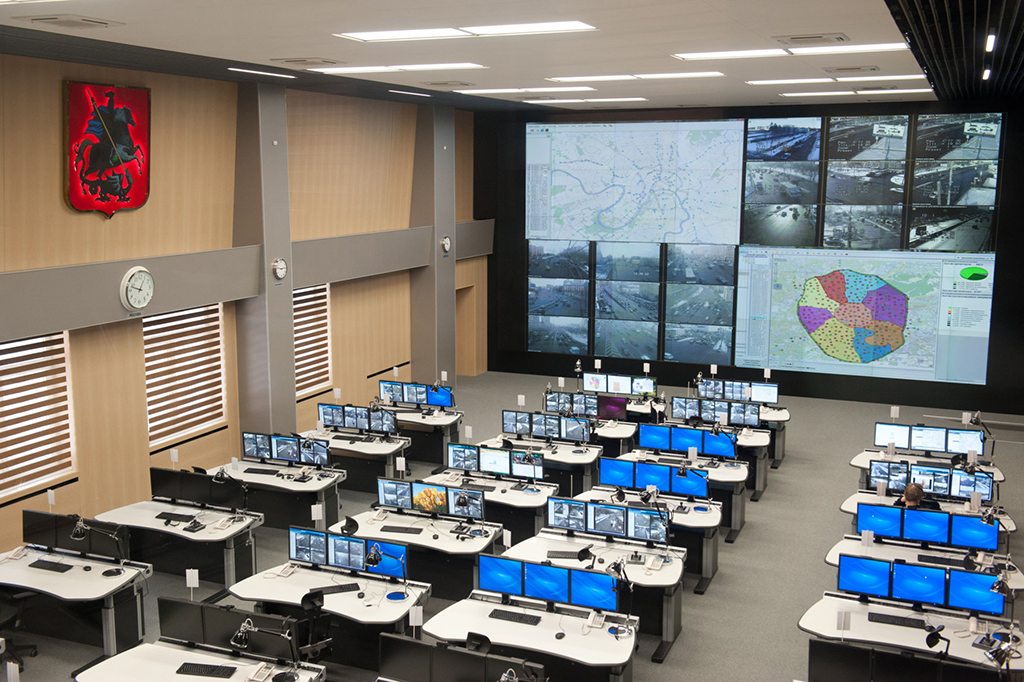
Los cambios experimentados en la actualidad por fuentes, señales y redes audiovisuales, así como la necesidad de adaptar los sistemas a esos cambios es una preocupación cada vez más latente que afecta especialmente a las salas de control que albergan equipos con operadores distribuidos, en diferentes ubicaciones en uno o varios edificios, y en una sola población o separados geográficamente.
The challenge is not only in collecting and managing data from a large number of sources, but also in sharing data between different locations, so that it is possible to work collaboratively on the same information.
How does a control room manage to receive data originating in all kinds of formats and from multiple sources and then serve it - easily and efficiently, in an easily manageable format, to operators located in various sites?
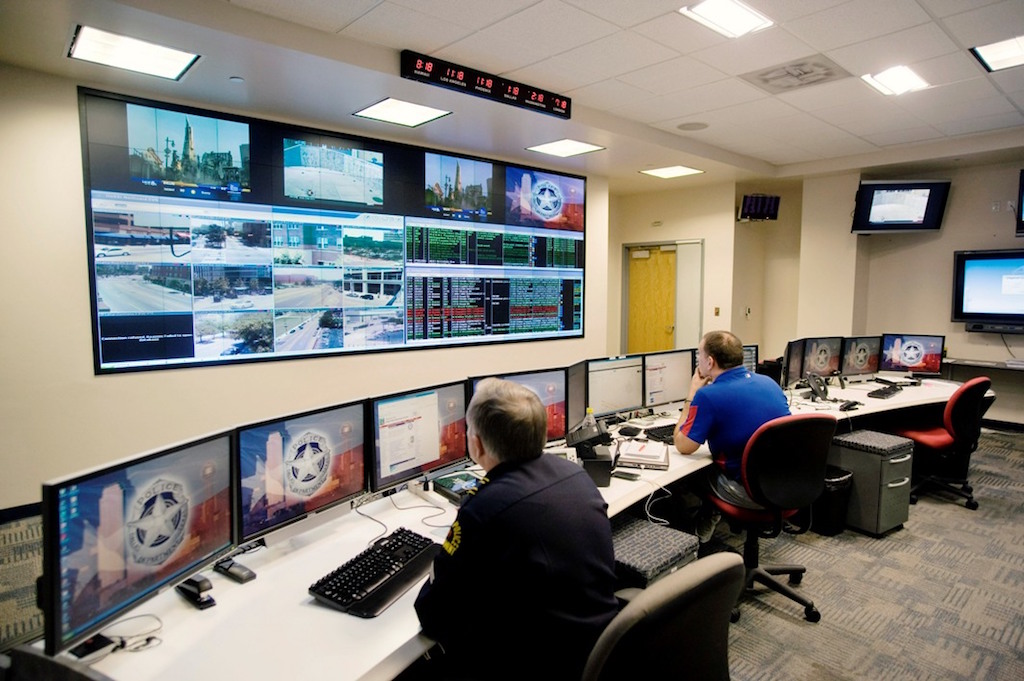
Data collection and control
The data originates in diverse formats; it can arrive directly via cable using a continuous signal, or be accessible within a network through different application protocols. Lately, there has been a growing demand, not only to easily access the viewing of multimedia and network sources, but also to manage the content on the screen itself using a keyboard and a mouse.
Among others, we analyze below commonly used content sources to consider when determining the needs for distribution, control, and presentation of data in a control room.
Audiovisual sources
Video is a common data source, but audio can also be useful to operators in this type of environment.
The introduction of 4K video or ultra-high definition (UHD) has increased the resolution of these audiovisual sources, so that it is now possible to accept source content in resolutions of up to 3,840×2.160p para presentaciones en sistemas de visualización de salas de control.
Fuentes de red
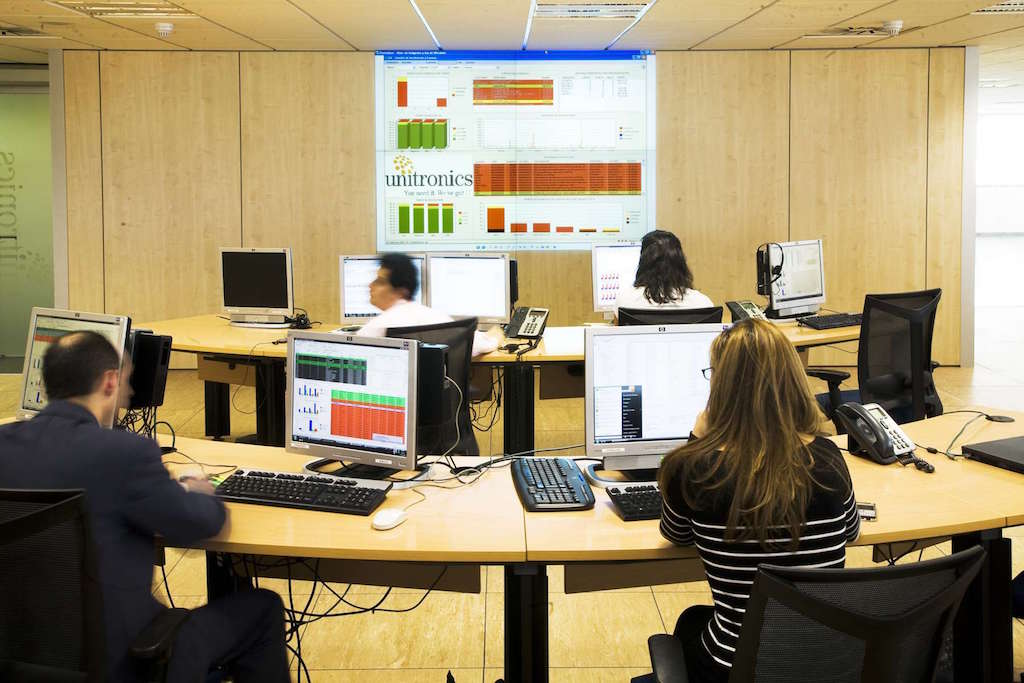
Las herramientas de software de captura de escritorio ofrecen un método económico para transportar y controlar fuentes de datos/gráficos de movimiento lento en una red ya existente. Los protocolos habituales de captura de pantalla están disponibles en aplicaciones de código abierto, de software en red y en sistemas operativos de uso generalizado, y son también compatibles con el control mediante teclado y ratón de la máquina fuente.
El recurso a cámaras IP ha proliferado también en muchas aplicaciones, sobre todo en las de seguridad y vigilancia. El estándar de compresión H.264 es omnipresente en cámaras IP, AV encoders and IPTV systems. Video processors must adapt to the use of common protocols and unicast or multicast delivery and broadcasting platforms.
Systems for decoding IP cameras must, asimismo, offer the possibility to interface efficiently with thousands of cameras or to select content from these types of devices.
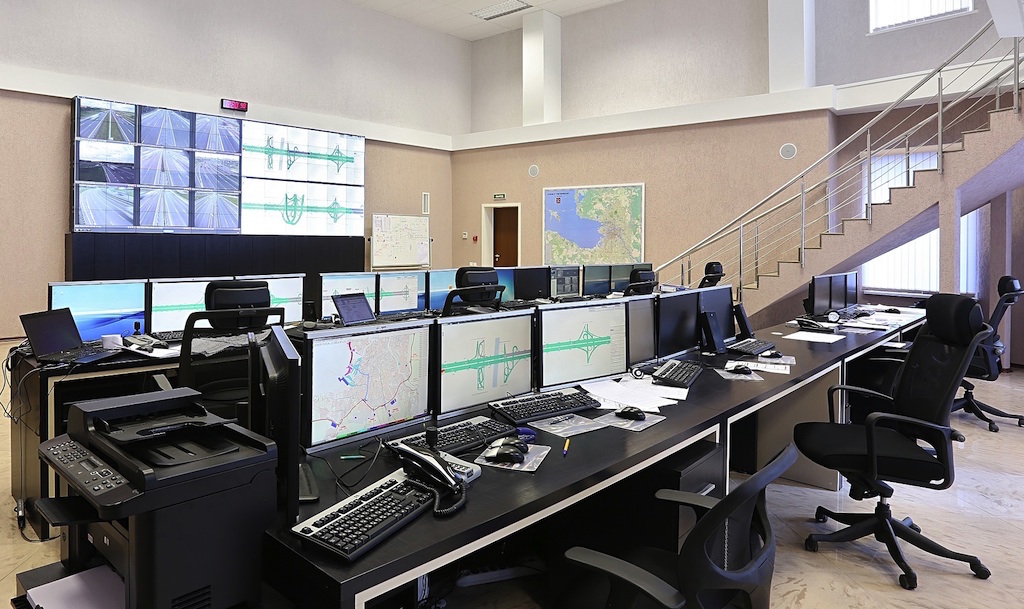
System for the current control room
In addition to the different types of source, scalability needs, security, integration and ease of use also influence the design of the control room system.
Companies and organizations that handle high-value processes, essential services or public safety usually distribute data to a large number of departments, establishing real-time collaboration between different offices, buildings or campuses or overcoming large geographical distances.
Sometimes it is necessary to present shared data on one or multiple videowalls to support various organizational functions, or on digital signage screens distributed throughout the company, faculty or organization.
IP networks constitute an attractive platform for distributing AV data sources in control room operations. In an organization, networks reach everywhere, but some segments of it may be protected by firewalls and security applications, or restricted for use in unicast transport instead of multicast, popular in distribution applications.
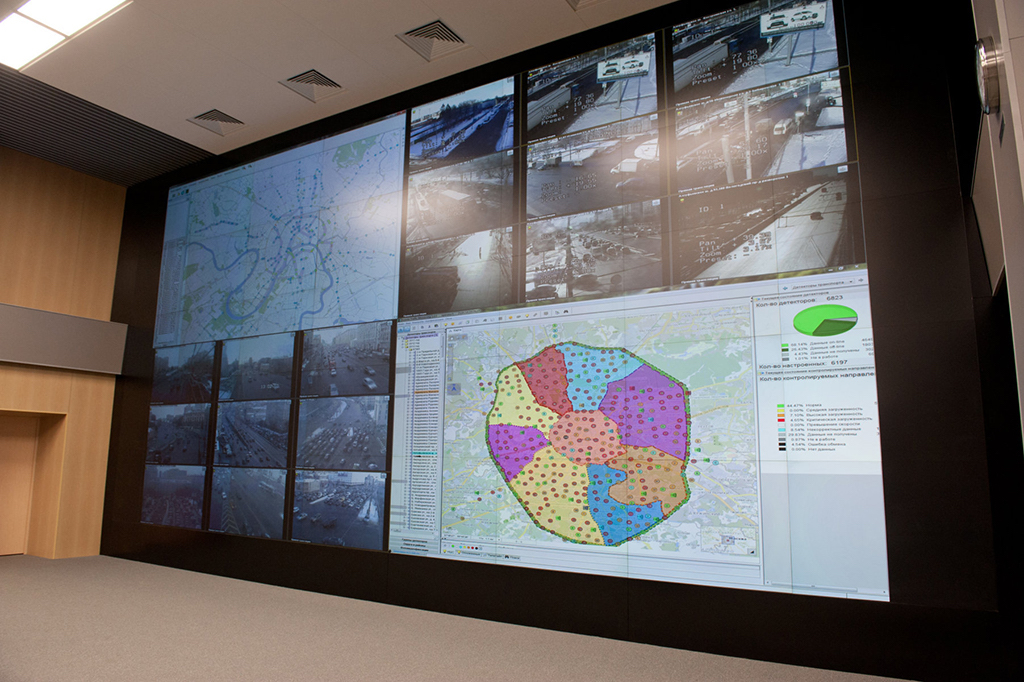
Un sistema que transporte vídeo y audio por una red en tiempo real debe proporcionar escalabilidad al llevar contenido a un gran número de displays y operadores finales, extendiéndola también a lo largo de segmentos que presenten restricciones más sofisticadas al transporte, como el encriptado o el realizado únicamente por unicast.
Para que un sistema de control de sala sea integrado, de fácil uso, flexible escalable y seguro, ha de cumplir los siguientes requisitos:
- Ser compatible con formatos múltiples de vídeo, audio y control.
- Ofrecer la posibilidad de establecer interfaz con servidores de aplicación basados en red o aplicaciones de captura de escritorio.
- Ser ampliable con el paso del tiempo o poder gestionar más fuentes y displays, as well as transmit data to new locations.
- You must have an efficient method to distribute content to screens and locations.
- Provide an easy-to-use setup and control interface.
Marcos Fernandez
Director of Christie for Spain and Portugal

¿Te gustó este artículo?
Subscribe to our NEWSLETTER and you won't miss anything.