


Safety in hospitals: how to do more with less
IP video surveillance solutions and access control systems help hospitals fight theft and protect patients and employees. En este artículo, Noelia Castillón, Southern Europe Channel Marketing Manager at Honeywell Security, explains why it is important to keep a security system in a healthcare facility updated and how this does not have to involve a high cost.

At a difficult economic time in which hospital budgets have been impacted across Europe, deciding how to prioritize investments, can be a bit more complicated.
With increasing pressure to increase investment in drugs, teams, training, new staff and other variables, It's no wonder that on some occasions security has been relegated to a second plane. En este artículo, Noelia Castillón, Southern Europe Channel Marketing Manager de Honeywell Security Group, explains why it is important to keep a security system in a hospital up to date, and how this does not necessarily have to involve a high cost.
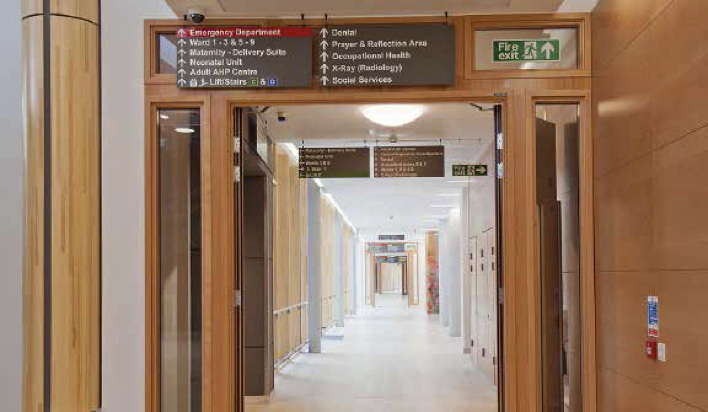 Although initially we might think that hospitals are not risky places, the reality shows us otherwise. For example, there are thefts of patients' or staff's belongings, or even of expensive equipment such as computers or tablets. Another common crime in the hospital environment is drug theft, as well as violence against patients and staff, which can take many different forms, from minor offenses to extreme cases.
In England, according to NHS Protect figures (entity responsible for protecting the staff and materials of public hospitals from crime), attacks against hospital staff increased by almost a 9% of 2013 a 2014. A recent study of hospitals in Germany, Austria and Switzerland revealed that 73% of those interviewed had suffered some kind of aggression, ranging from vandalism to large-scale altercations or fights. In South Africa, violent crimes in public hospitals have experienced a sharp increase of 50% from 2002.
These violent attacks on staff have a negative impact on the hospital's reputation, hiring staff in the sector and, often, lead to endless legal battles. In Europe, theft is also a constant problem in healthcare centers, where every week there are reports of disappearances of medications, equipment and belongings of employees and patients.
Having reached this point, the question would then be, why don't hospitals invest more in strengthening their security? The quickest answer could be: because of the cost involved. Fortunately, there are a series of security solutions that all hospitals can implement and their implementation would not involve a high expense.

Access control/IP video surveillance
Access control is one of the most effective security solutions available to hospitals to combat theft. The possibility of establishing a security perimeter in certain areas of the hospital, con acceso restringido a un reducido número de empleados de confianza, puede reducir la probabilidad de robos y la lista de sospechosos en caso de que el robo llegue a producirse.
Aunque sería aconsejable que se implantase un sistema de control de accesos en todo el edificio del hospital, en una primera fase, se podría priorizar su implantación solo en áreas con equipos, medicamentos e información de elevado valor y después continuar con otras áreas.
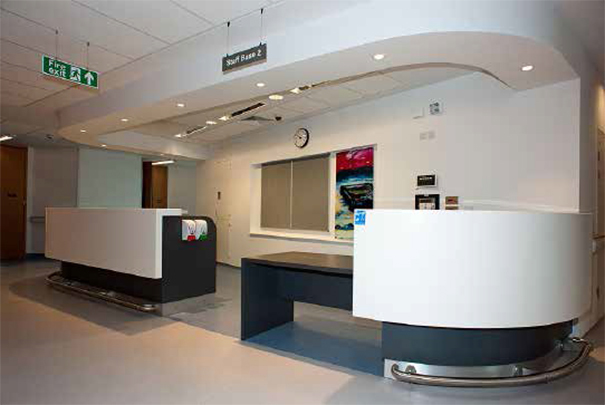 Las soluciones de videovigilancia IP son una inversión fundamental para cualquier hospital.
Las mejoras que ofrece esta tecnología en la calidad de imagen se traducen en que cuando se produzca algún incidente, los equipos de seguridad del hospital podrán identificar rápidamente al responsable y ofrecer a las autoridades grabaciones de alta resolución para su uso en los tribunales. Besides, las imágenes de CCTV de alta calidad protegen al personal en caso de pleitos, con imágenes claras nítidas de los supuestos incidentes.
En los casos en los que el presupuesto no permita sustituir su tecnología analógica por IP, la tecnología híbrida sería la solución adecuada. Los sistemas híbridos, que integran los sistemas existentes con la nueva tecnología IP, ofrecen una transición gradual a IP que se puede llevar a cabo a lo largo de varios años según la situación económica lo vaya permitiendo. In addition, hospitals that already currently have IT infrastructure, the transition to IP will be carried out even more easily.
Video analytics
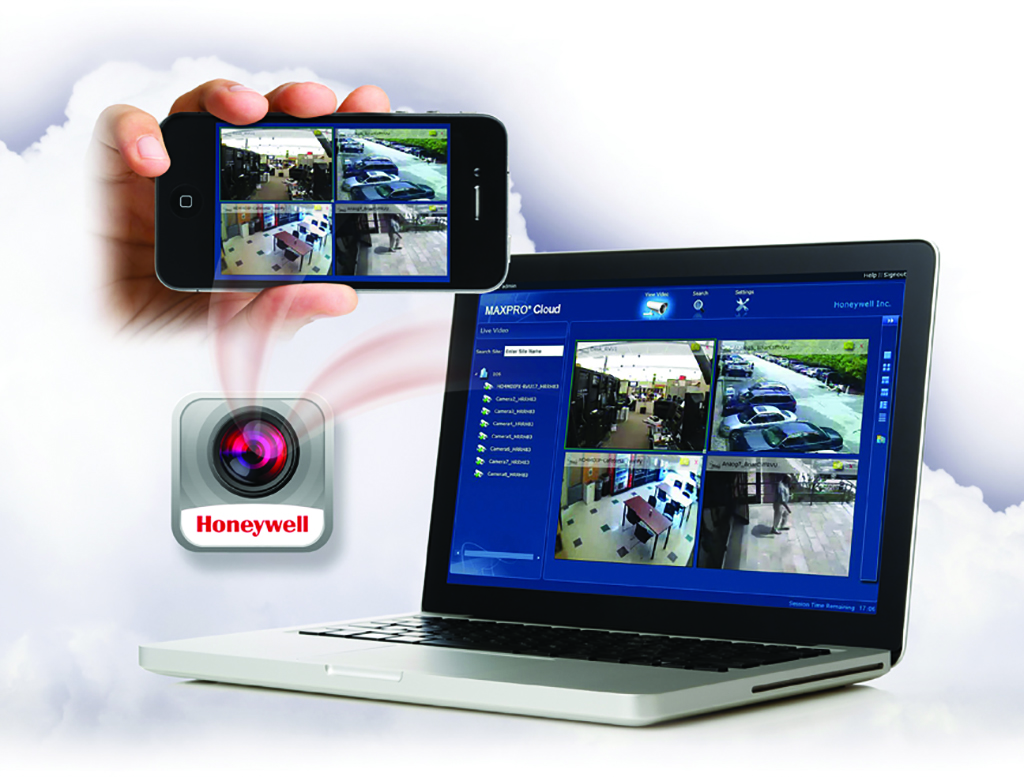 On the other hand, it is also worth highlighting the benefits that video analytics offers in the hospital environment.
It is a technology capable of providing alerts to hospital security staff to predict and prevent criminal activity before it occurs. For example, if a group of young people remains for a suspiciously long period of time in the parking lot, the security officer will receive an alert of potential risk.
If a person visiting a hospitalized relative loiters for a long time around a medicine cabinet, it is possible to quickly investigate the incident. In addition, una de las formas en la que los responsables de los hospitales, con presupuestos limitados, pueden justificar esta inversión es centrándose en los datos empresariales que puede aportar el análisis de vídeo: el tráfico del personal, pacientes y vehículos, que contribuye a comprender y optimizar los procesos y la gestión del hospital.
Resumiendo, los hospitales disponen de distintas maneras de invertir en tecnología de seguridad y a la vez mantener su equilibrio presupuestario. Dicha tecnología puede facilitar la recuperación de la inversión de forma positiva de diferentes formas, desde reducir los robos y los costes de las primas de seguros, hasta evitar costosos litigios y ofrecer una valiosa información empresarial sobre los procesos del hospital. But, above all, protects people (patients, staff and visitors) in moments of high vulnerability.
Noelia Castillón
Southern Europe Channel Marketing Manager, Honeywell Security Group

¿Te gustó este artículo?
Subscribe to our NEWSLETTER and you won't miss anything.