


Motorola MTP6750, la primera radio TETRA con cámara
El nuevo sistema de radio TETRA de Motorola incorpora una cámara de cinco megapixeles junto con la solución PICS (Photograph and Intelligence Communications System) que permite gestionar, autenticar y compartir imágenes.
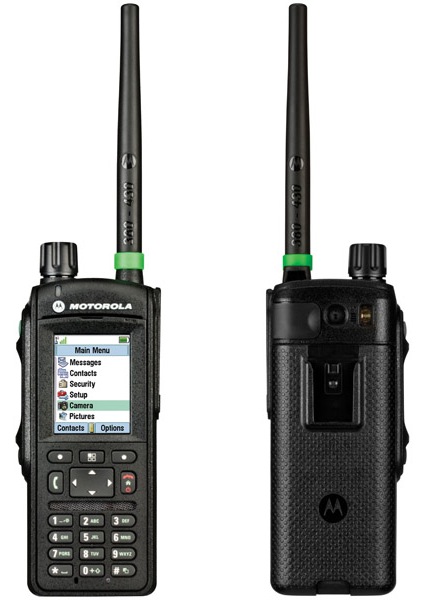 Motorola ha incorporado una cámara de fotos al sistema de radio TETRA MTP6550, que en su versión con cámara pasará a denominarse MTP6750. La posibilidad de recoger imágenes en el mismo momento en el que se produzca un incidente permitirá contar con pruebas adicionales a la hora de un juicio.
La nueva TETRA MTP6750 cuenta con una cámara de cinco megapíxeles que junto a la solución PICS (Photograph and Intelligence Communications System) permite gestionar, compartir y verificar la autenticidad de las imágenes recogidas. The system allows verifying that the image has not undergone any modification, thus ensuring its validity as evidence in a trial.
On the other hand, thanks to the MTP6000 Radio Series platform, the new system has numerous connectivity options, ranging from Bluetooth to Multi-Slot Packet Data as well as support for TEDS (TETRA Enhanced Data Services) which enables the immediate and secure sending of the collected images. Besides, Motorola has improved the range of these devices by up to a 14% as well as the audio quality.
Regarding PICS, which is the heart of the new functionality of this radio, it covers three main areas. On one hand, it has a terminal manager (iTM – Integrated Terminal Management), with which radios are managed remotely; an API, which allows Motorola and its partners to integrate PICs; and an Indelible Digital Marking, which allows verifying that the images have not been altered at any time.
Integrating image capture and processing into this TETRA radio platform will open, sin duda, a new way to integrate communications with images based on the strictest security protocols.
¿Te gustó este artículo?
Subscribe to our NEWSLETTER and you won't miss anything.