


IndigoVision reduce el crimen y facilita el flujo de tránsito en la ciudad checa de Chomutov
La ciudad de Chomutov, en la República Checa, ha elegido un nuevo sistema de vigilancia basado en la tecnología de vídeo por IP de IndigoVision para reemplazar su sistema de CCTV analógico, que se había quedado desfasado, pues databa de la década de 1990.
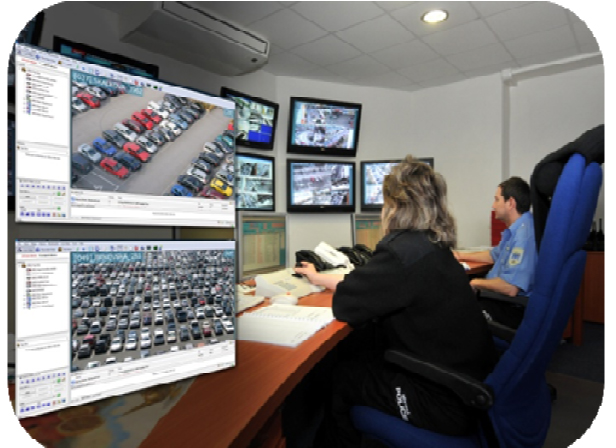 Chomutov, una ciudad de 50.000 habitantes ubicada en el norte de la República Checa, ha implementado un sistema de vigilancia distribuido para áreas extensas basado en la tecnología de video por IP de IndigoVision como parte de su estrategia para reducir el crimen y controlar el flujo de tránsito. MKDS Besy, el socio local de IndigoVision, ha instalado 32 cámaras PTZ analógicas, de las cuales dos son móviles, para generar una mayor cantidad de opciones de vigilancia, conectadas mediante 32 codificadores IndigoVision 9000. Two NVR-AS network video recorders for Windows have also been installed: one is operational and another serves as a backup.
The system includes 4TB of storage capacity, with fault tolerance provided by the RAID5 system. With integration in mind, three Control Center installations linked to the city's police crisis management software were established. Control Center is the user interface of IndigoVision's SMS4 Security Management Solution. Los requisitos de bajo ancho de banda y la calidad de imagen de IndigoVision, along with the distributed architecture that does not require a central server and the ease of backing up the network video recorders (NVR), These were key factors when selecting a solution for the city.
David Žažo, security technician of the Chomutov police, he stated: The new system has transformed the city's surveillance tasks; It is reliable and completely stable, and its growth potential is unlimited thanks to its distributed architecture. The police can make better and faster decisions, thanks to the fact that it now has excellent image quality.
The two mobile cameras use the Frames Per Second function controlled by activity (ACF) so that bandwidth requirements remain low through their Wi-Fi connections. This feature controls the frame rate of the camera's video stream based on the amount of motion in the scene. When there is no activity, the video is transmitted at a minimum frame rate; but as soon as motion is detected, it is simultaneously transmitted at the maximum configured rate to maximize data capture. This significantly reduces bandwidth consumption and storage requirements for cameras monitoring generally static scenes or during periods of low activity, such as at night, demonstrating that this is a true real-time response technology.
¿Te gustó este artículo?
Subscribe to our NEWSLETTER and you won't miss anything.