


Indra coordinates the first test of the European R&D project Perseus for maritime control and video surveillance
In collaboration with the Civil Guard, la multinacional Indra ha coordinado la primera prueba en el mar del proyecto europeo de I+D Perseus, cuyo objetivo es la protección y videovigilancia marítima en toda Europa.
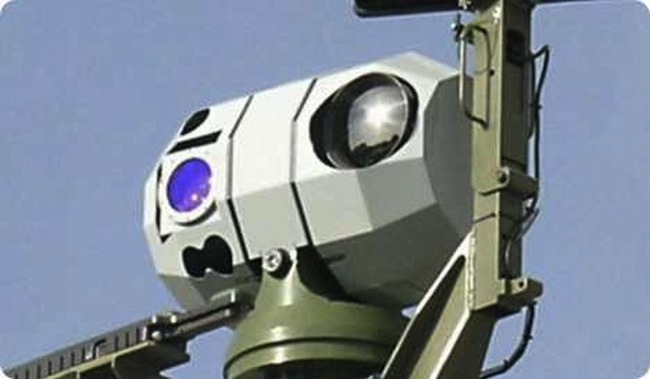
El proyecto de I+D Perseus (Protection of European BoRders and Seas through the IntElligent Use of Surveillance), es una iniciativa europea coordinada por la multinacional española Indra para desarrollar nuevas capacidades y sistemas tecnológicos de protección y videovigilancia marítima en los mares europeos y sus fronteras.
Este proyecto de seguridad y control de las fronteras marítimas en Europa, which has a budget of 43,7 millones de euros y una duración de cuatro años, inició el 24 de septiembre su primera fase de pruebas a gran escala, que durará una semana, to demonstrate its viability and lay technological foundations for integration.
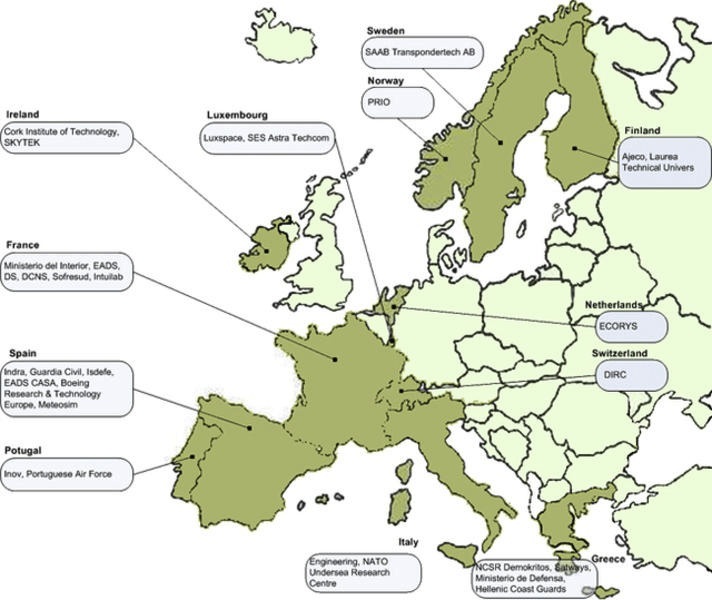
Indra coordinates the work of this European consortium, composed of twenty-nine partners from twelve EU countries, mostly with maritime borders.
 In this first testing phase, carried out in collaboration with the National Coordination Center of the Directorate General of the Civil Guard in Madrid, a vessel was detected in the western Mediterranean basin simulating the illegal transport of immigrants.
For this, a CN-235 aircraft of the Civil Guard was used. From its control center, the necessary orders were sent, as the information collected by the aircraft was received in real time, for detection, identification and tracking of the target.
Subsequently, the responsibility of the mission passed to the light maritime surveillance aircraft MRI P2006T, a low-cost solution developed by Indra, equipped with radar, day/night opto-electronic vision systems and ship identification systems (AIS9).
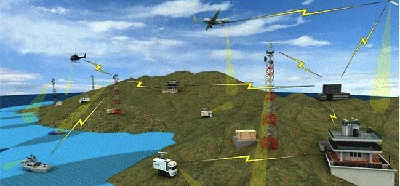
The goal of the exercise is to test the integration of different maritime surveillance technologies, in which the information collected by the SIVE and the sensors carried by the various air and naval platforms is combined, in order to monitor high sea areas not reached by coastal surveillance systems.
At the same time, the information gathered at the Civil Guard control center in Madrid was shared with the nodes of the Perseus system, located in France, Italy and Portugal, so that all countries have a complete view of the routes and activities carried out by vessels at sea.
Integration and interconnection of systems
The objective of the project is to develop and test a European maritime surveillance system through the integration and interconnection of existing national and European systems, as well as their updating and improvement with technological innovations.
The new maritime surveillance system will increase the effectiveness of current systems by creating a shared maritime information environment that will benefit both national coordination centers, as well as the European Agency for External Borders (Frontex) and to the European Maritime Safety Agency (EMSA).
For this, this 'system of systems' will take advantage of all the information available in European and national agencies, it will integrate and process it, so that higher quality information is generated, more filtered, reliable and, ultimately, more useful.
The solution will allow for real-time situation description from coastal areas to the high seas, as well as improve and automate the detection of vessels and their identification, especially in case they are suspicious or non-allied. Thus, it will facilitate decision-making, reduce the authorities' reaction time, it will facilitate the support and coordination of maritime interception and rescue operations, and will improve their effectiveness.
The second campaign is planned for 2014 and will take place in the Aegean Sea and the channel of the Island of Samos, with the possibility of extending to the Black Sea.
¿Te gustó este artículo?
Subscribe to our NEWSLETTER and you won't miss anything.