


Flir improves firefighting with new K-series thermal cameras
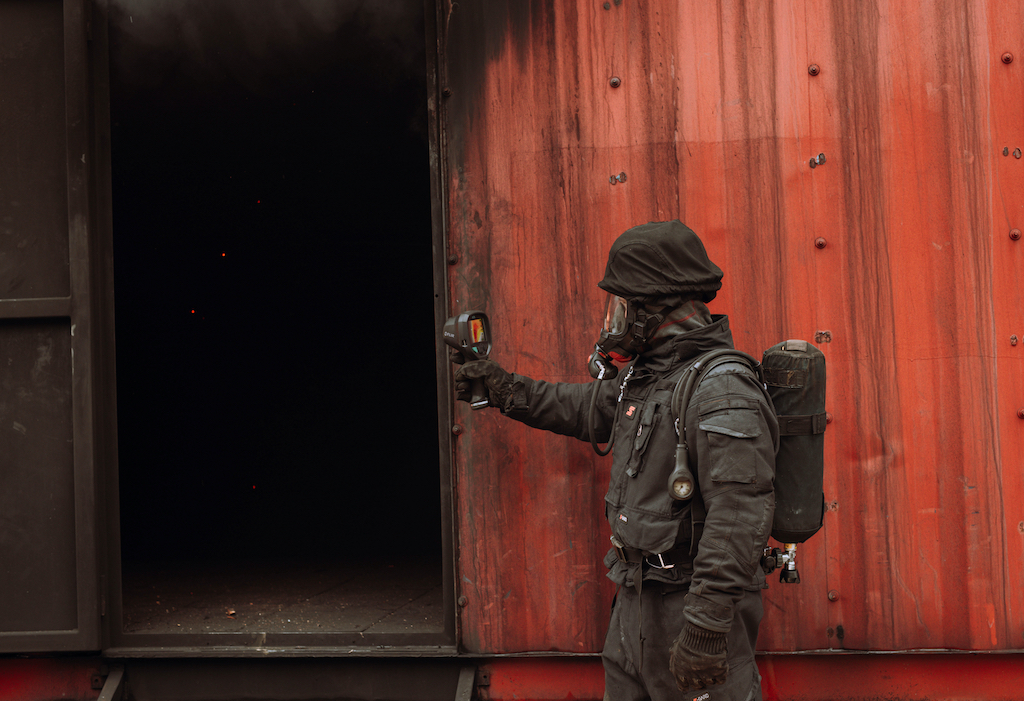
The K75 and K85 thermal cameras for firefighting that have just been presented Flir provide the necessary reliability in critical missions, without system delays, with instant colorization.
The new generation of K series thermal cameras that has just been launched in the market Flir, company Teledyne Technologies, is made up of the models K75 and K85 and incorporates single-range dynamic gain, full wireless connectivity and higher resolution, which helps faster and more accurate decision-making in firefighting.
The K75 and K85 models offer a resolution of up to 640×480p to provide high-quality thermal images for precise target identification and the improved situation from the first alarm signal to the cleanup and post-event review.
Besides, the new single-range interface ensures uninterrupted focus, with a simplified live image display and minimal menu interaction to avoid loss of critical information.
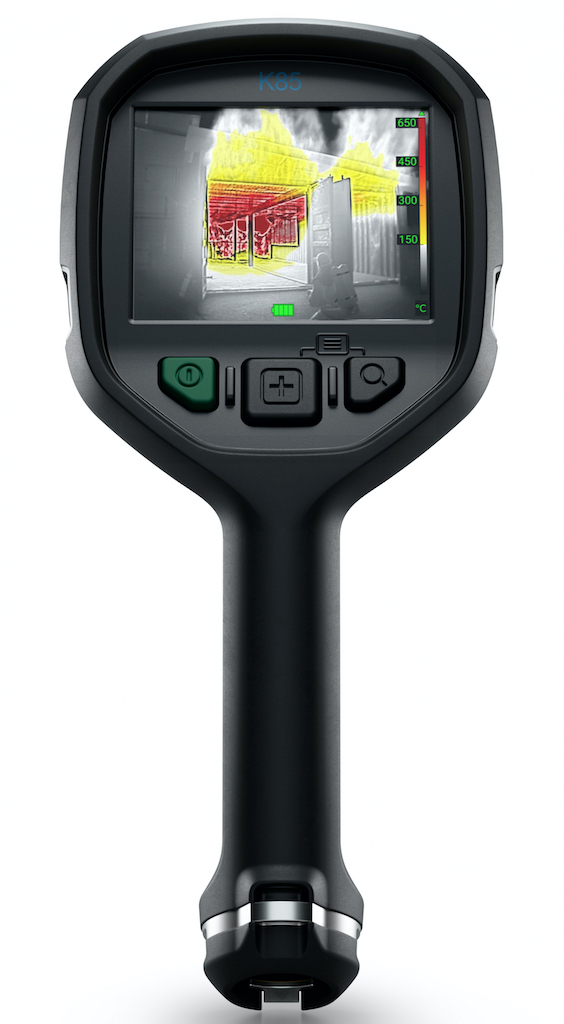 The three-button K75 thermal camera replaces the one-button K33 and three-button K45 models, while the three-button K85 replaces Flir's K53 and K55 devices from the K series.
The K75 and K85 models are designed for the front line of firefighting, with a robust IP67 housing, drop resistance from 2 metros y extraordinario rendimiento con mucho calor -explica Peter Dekkers, director de desarrollo de negocio de Flir-. Nuestros ingenieros han optimizado estas cámaras de próxima generación para ofrecer una visibilidad térmica fiable en entornos con poca luz, sin luz u oscurecidos por el humo, en beneficio no sólo de los bomberos sino también de la seguridad industrial, marítima y de defensa”.
Gracias a sus nuevos modos centrados en la aplicación, las cámaras Flir K75 y K85 prestan la máxima atención a cada fase de la extinción del incendio, mejorando así la preparación del equipo tanto para planificar la misión como para analizarla posteriormente.
Preparación: la app Flir Responder incorpora nuevas funciones de configuración y wireless transmission to ensure that firefighters are prepared for the mission.
Arrival at the scene: the new search mode helps teams locate the fire and detect lower temperatures, all with a colorization between 80-200°C which allows enhancing contrast to speed up the identification of fire hotspots.
Extinguishing: a single range offers optimal operation between -20 and 650°C. By not having low and high gain modes, users do not have to switch between one and the other, thus avoiding loss of crucial information or image freezing when doing so.
Leaving the scene: a new detection mode highlights areas with a significantly higher temperature with a red gradient, that locates and monitors hot and cold spots over time, especially useful for post-fire analysis.
Return to base: users of the Flir Responder app can take advantage of the new options for downloading multimedia content and training.
Other modes to assist in firefighting included in the cameras are: basic, with colorization of 150 at 650°C to move through smoke, initial extinguishing and fire control; of intense heat, which provides colorization between 250 and 650°C for operations that may need it afterwards, y white heat mode, with visibility of thermal convection for training, environments with high heat and colorblind users.
The K75 and K85 cameras offer a sensitivity (NETD) of <60 mK at 30°C throughout the entire range together, with a field of view of 53°× 40° and an image frequency of 30 Hz. These devices are supplied with two batteries, charger, power supply, USB cable, strap with carabiner and retractable cord.
¿Te gustó este artículo?
Subscribe to our NEWSLETTER and you won't miss anything.