


Axis technology monitors Duluth drawbridge
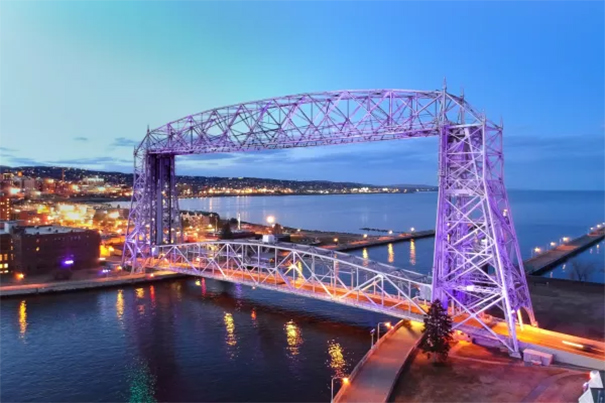
The operators of the aerial lift bridge (aerial drawbridge) of the city of Duluth have trusted Axis Camera Station and its video surveillance equipment to monitor the structure and the bay, in addition to ensuring the safe passage of the boat lifting mechanism, vehicles and pedestrians.
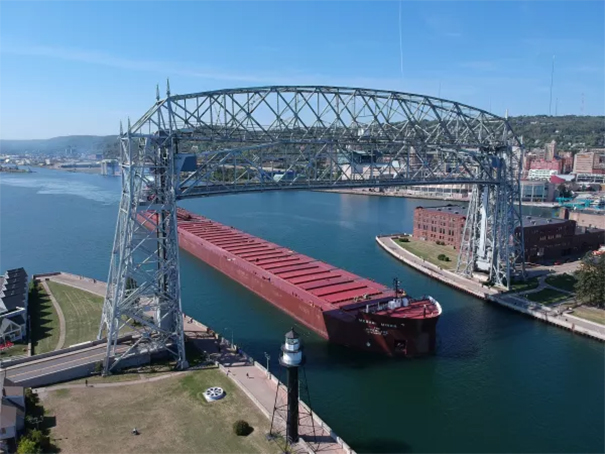
He Duluth aerial liftbBridge has been an emblematic monument of the city since its launch in 1905. The bridge spans the Duluth Sea Canal and connects downtown to Minnesota Point (also known as Park Point), a narrow sand island that includes a recreational district and a residential community. In its initial phase, the structure used a gondola car suspended beneath the frame to transport vehicles and pedestrians. In its third decade, the city replaced the gondola mechanism with a lift road.
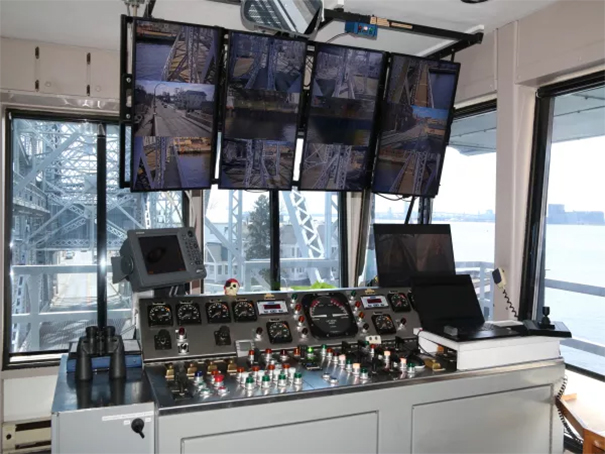
A bridge operator monitors and controls the raising and lowering of the hoist mechanism from the cockpit, a small room in the center of the structure.
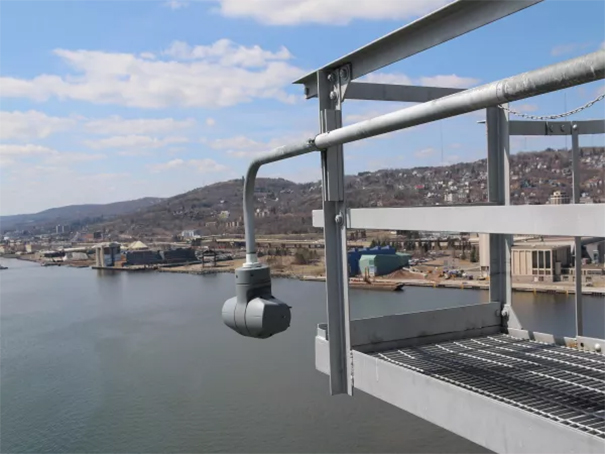
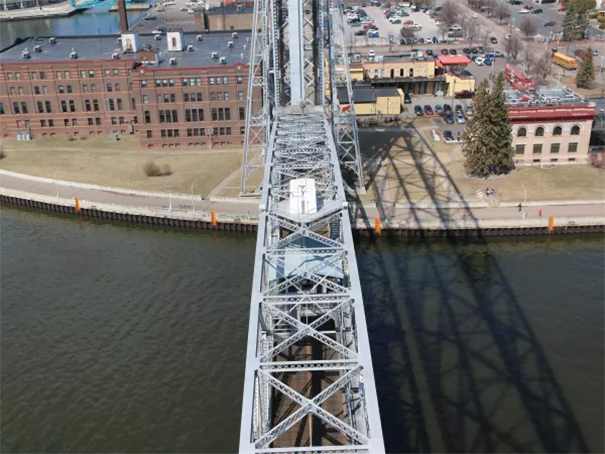
Cameras located at the top and bottom of the bridge allow the operator to see if there are vehicles and pedestrians at the bridge entrance or on the causeway before climbing the bridge. You can also view approaching vessels to determine if their height could interfere with bridge operations..
“Every half hour, the operator raises the bridge for sailboats and commercial fishing vessels.”, states Elysia Hoium, City of Duluth IT Director. “But we are also a port city, so, during 10 months a year, when the port is not blocked by ice, The bridge also gives way to large cruise ships, barges, tankers and other ships that cross the canal”.
During an average week, 30.000 vehicles could cross the busy bridge. During the tourist season, This figure is considerably higher. Over a year, Operators could raise the bridge a few 4.000 times to make way for maritime traffic and maintenance teams.
Optimize visibility
After decades of relying on an analog camera system to provide critical situational awareness on the aerial lift bridge, Duluth made the decision to upgrade your observing system to digital.
“Since the structure has 42 meters high and covers 119 metros, “We were looking for cameras with better image quality and really good zoom capabilities.”, affirm this. “Given the extreme weather conditions we are facing in Duluth, The cameras also had to be especially resistant”.
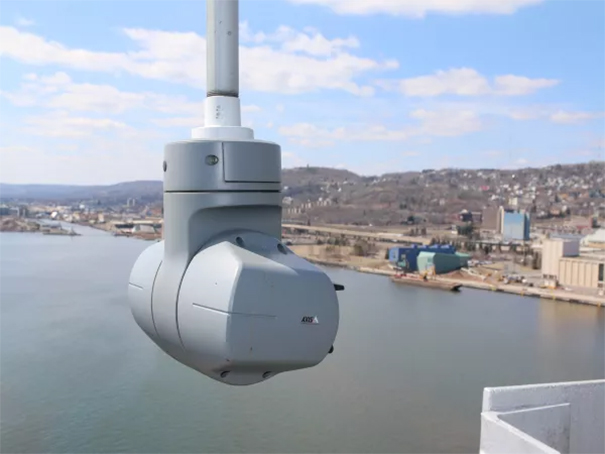
To address your dilemma, Duluth invested in more than two dozen Axis cameras with high resolution pan/tilt/zoom with laser focus for the Duluth aerial lift bridge, reliably transmitting live images to the pilot room in all types of weather conditions, from strong winds, snow and ice, with temperatures that could range between –45 and 49C (–50 y 120ºF).
“The camera array gives the bridge operator a clear view of all high-risk parts of the bridge., traffic entry points, as well as the entire bay”, states Chris Majerle, City of Duluth Network Administrator. “This type of operational efficiency ensures that there are no vehicles or people on the bridge when the span goes up or at the junction points when it goes down”.
Majerle notes that achieving that kind of visibility without cameras would require hiring at least four other people per shift to stand outside the structure and visually observe the bridge and surrounding area..
“By having the cameras feed directly into Axis Camera Station, the pilot room operator can continue to see, safely managing and activating the lifting mechanism even if the bridge loses Internet connectivity”, commented Majerle.
Standalone solution
Another integral technological addition to bridge operations included the video management system. To complement your existing Milestone-based video technology infrastructure, which uses a fiber connection to transmit video sources from the bridge to the city's data center, Duluth chose to implement an additional layer of localized monitoring by installing the Axis Camera Station video management system in the pilot room and wiring the cameras to it.
“It was important that the live streaming segment of the system be autonomous, since loss of video would require interrupting operations”, affirms Majerle. “If latency or interruptions occur, operators would see gaps in their coverage or lose video transmissions on the bridge at the same time”.
And video wall in the pilot room provides live views of cameras. The bridge operator can manipulate the pan, Tilt and zoom each using a joystick to redirect the field of view and zoom in on details.
The video is also transmitted to the data center servers Milestone Systems of the city for recording, archiving and searching in case it is necessary to review the recordings for investigations.
“By having the cameras feed directly into the local Axis Camera Station, the pilot room operator can continue to see, safely managing and activating the lifting mechanism even if the bridge loses Internet connectivity”, adds Majerle.
Camera control hierarchy
While the bridge operator has primary control of the cameras during lifting operations, certain city departments, like police and firefighters, can view and manipulate cameras during an emergency event.
“We have established a hierarchy of permissions”, explica Elysia Hoium. "For example, Police and fire personnel may temporarily assume control of certain cameras, but the Coast Guard can only view the live feed and has no authority to change the direction of any camera. Within the police or fire department, “Emergency management protocols dictate who is responsible for handling the cameras.”.
Observation of impatient drivers
Dave Campbell, supervisor de aerial lift bridge de Duluth, shares that the new Axis cameras have allowed operators to see incidents much more clearly.
With your old third-party cameras, They couldn't discern many details to share with police, the fire brigade or ambulance services if they detected anyone suspicious or in a dangerous position on the bridge.
“Now we have a very clear image of the person, of what he is wearing and even his facial features”, said Campbell. “So, we can give the agents a fairly precise description. We can also tell the police the license plate number of any driver who avoids the traffic gate to knock down the lifting mechanism”.
Cameras allow bridge operators to identify and address issues such as pedestrians still on the walkway or hanging at the bottom, despite the audible warning that the bridge is about to rise.
“We couldn't operate the aerial lift bridge without those cameras”, maintains Campbell. “With so many areas of the structure where someone could be injured, a lifting gear operator working alone would not be able to verify everyone's safety before activating the lifting gear”.
Managing these cameras through Axis Camera Station keeps them autonomous and protected from potential disruptions to the city-wide fiber network.. “It's about reducing risks”, affirms Chris Majerle. “As long as the bridge has power, the cameras will continue to work”.
¿Te gustó este artículo?
Subscribe to our NEWSLETTER and you won't miss anything.