


a
Como parte de la estrategia Aeropuerto 4.0, es el segundo piloto que se pone en marcha tras el del Aeropuerto de Menorca, que en este caso integra la app como novedad en el proceso de embarque.
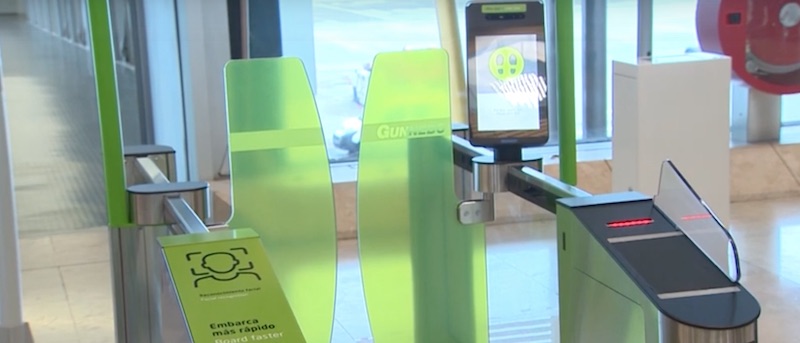
Este proyecto conjunto de Aena e Iberia, en el que se utiliza el reconocimiento de la cara del pasajero para que pueda embarcar sin necesidad de mostrar la documentación, se probará en vuelos con destino a Asturias y Bruselas. En su desarrollo también han trabajado las empresas tecnológicas Hit it, Gunnebo y Thales.
Los presidentes de Aena, Maurici Lucena, y de Iberia, Luis Gallego, acompañados por representantes de las empresas tecnológicas colaboradoras citadas, se han encargado de presentar en el Adolfo Suárez Madrid-Barajas Airport este nuevo sistema de reconocimiento facial en el proceso de embarque.
Se trata del segundo proyecto piloto de ete tipo que Aena ha puesto en marcha, tras el del Aeropuerto de Menorca implantado en marzo (more details in Digital AV), cuyos buenos resultados y la satisfacción mostrada por los pasajeros se han incorporado ahora en el de AS Madrid Barajas, con la novedad de realizar el registro un dispositivo móvil con las app de Aena y de Iberia.
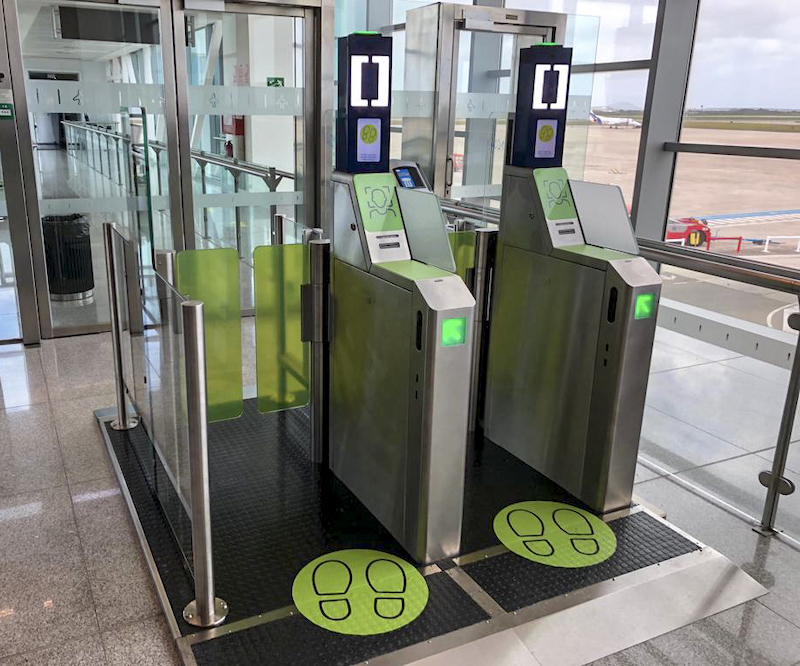 Basado en tecnología de identificación a través del reconocimiento de las características físicas e intransferibles de las personas, los equipos de sistemas biométricos se han ubicado en la zona de facturación, en el acceso al filtro de seguridad y en la puerta de embarque.
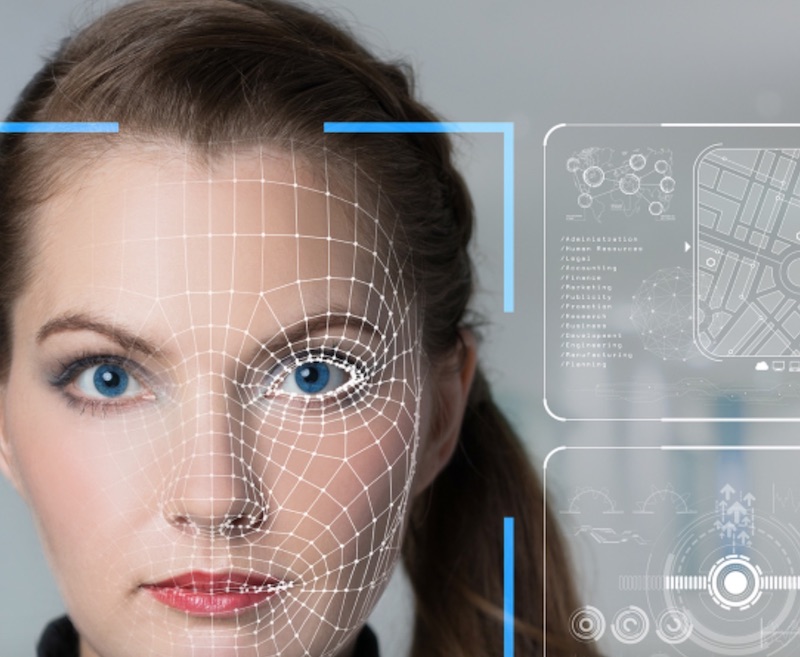
En dichas zonas se validarán los datos biométricos del pasajero, sus rasgos faciales (picture of their face) and documentation (ID card or passport) with the goal that travelers can board the flight without needing to show either the boarding pass or their identification documents, speeding up the process and increasing security.
This validation of documentation with biometric data is carried out only once during the pilot, as long as the passenger gives their consent for subsequent flights.
The tests have begun with Iberia airline passengers flying to Asturias and Brussels, who can voluntarily take part in the project and travel in a more agile, efficient, and seamless way.
 Aena and Iberia have worked on this project in collaboration with Iecisa, Gunnebo and Thales, companies responsible for developing, supplying and installing the necessary equipment for carrying out the test. In this case, automated systems that include advanced document and biometric validation technologies that optimize performance in passenger access time.
With this important advance, Aena positions itself at the forefront of the airport sector worldwide, integrating all the steps to be carried out in this type of facility into a single process: security and boarding checkpoint, allowing the registration of documentation (ID or Passport and boarding pass), from the Iberia and Aena apps, at any time prior to the trip.
This project is framed within the strategy Airport 4.0 of Aena, that promotes the test, validation and commissioning of innovative solutions that allow the provision of innovative and sustainable airport services, with maximum safety, quality, efficiency and respect for the environment.
¿Te gustó este artículo?
Subscribe to our NEWSLETTER and you won't miss anything.