


Axis P1465-LE monitors traffic in the new WBRC warehouse
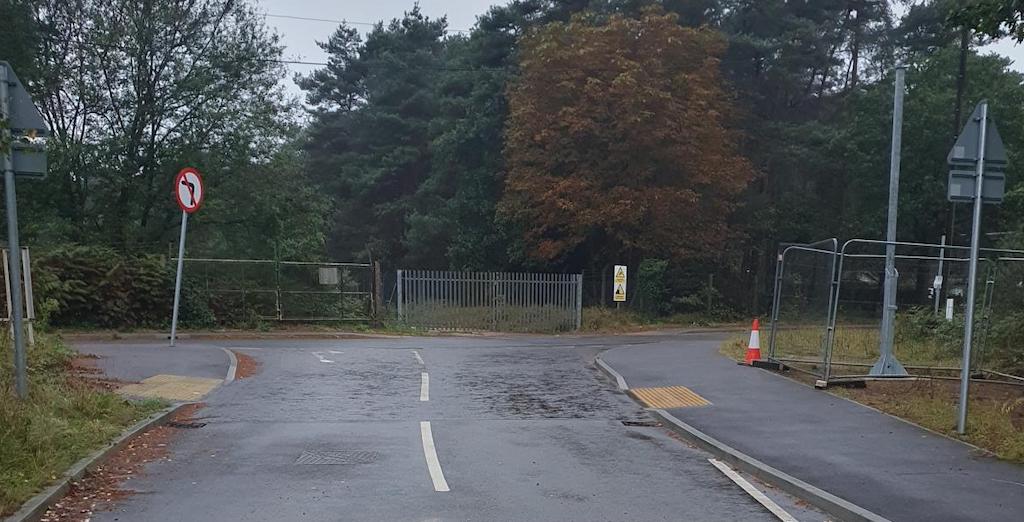
La ampliación de esta empresa inglesa ha tenido estrictas condiciones de planificación sobre el uso de las carreteras que circundan su nuevo almacén, que se ha resuelto con la instalación de las cámaras P1465-LE de Axis Communications.
Whitehill & Bordon Regeneration Company (WBRC), que en su momento fue sede de la Escuela de Defensa de Ingeniería Electrónica y Mecánica del ejército británico, ha experimentado un gran crecimiento urbano atrayendo a muchas empresas de la zona.
Para dar respuesta a este desarrollo, se ha construido desde cero un nuevo almacén, del tamaño de un campo de fútbol, distribuido en cuatro plantas en una nueva extensión de terreno, a poca distancia de la ubicación original de la empresa, si bien el acceso por carretera se convirtió en un problema.

Hacia el este, un importante ramal actúa como entrada y salida principal del nuevo almacén, permitiendo un acceso sencillo para vehículos pesados, furgonetas y coches y autocares que transportan al personal al lugar. Al oeste hay una calle más estrecha, principalmente residencial. Ambas carreteras están conectadas por otra de enlace secundaria, de la que es responsable WBRC.
El Ayuntamiento del Condado de Hampshire impuso restricciones de planificación en torno al flujo de tráfico, principalmente en el cruce donde se unen las carreteras residenciales y de enlace, como condición para el consentimiento para el nuevo almacén.
Para buscar una solución que cumpliera los requerimientos de seguridad, The WBRC officials turned to NW Security Group, a company they had already collaborated with on the smart city security network and a partner of Axis Communications.
'The solution had to be based on cameras', because WBRC was not only looking to count the number of vehicles, but also to collect information about them - explains Frank Crouwel, general director of NW Security Group -. They needed an accurate way to track how many cars had entered the intersection, how many had exited, how many had turned left and the type of car that had passed in all directions. For an apparently simple project, this was quite a challenge.
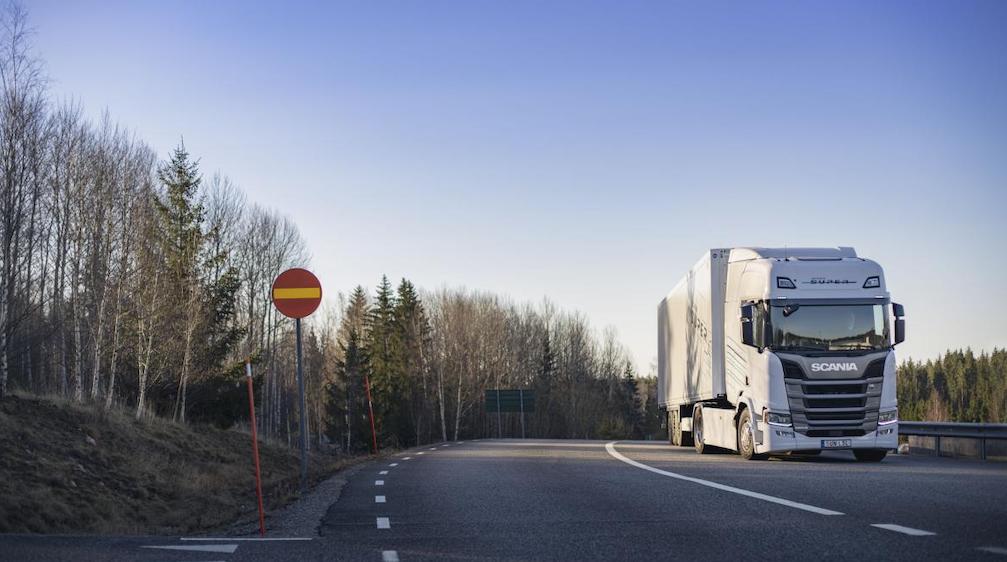
Los esfuerzos de NW Security Group se vieron obstaculizados por el diseño del sitio que rodea el cruce, que bordea senderos y bosques, lo que limitó la solución final al uso de dos cámaras montadas en un solo poste.
Como añade Crouwel, “el deseo de precisión y, in particular, la necesidad de supervisar el uso del cruce por la noche, significaba que necesitábamos cámaras que pudieran hacer frente a todas las condiciones y niveles de luz. Optamos por el modelo tipo bala Axis P1465-LE, una unidad fiable y con una excelente calidad de imagen”.
La cámara P1465-LE de Axis incorpora numerosas funciones inteligentes, including Lightfinder 2.0, que permite su operativa en condiciones de luz extremadamente bajas y elimina la necesidad de iluminación adicional en el poste de la cámara.
Chris Manning, technical project director at WBRC, asserts that 'the night performance of the Axis camera is simply amazing. There is no difference in accuracy; it has the same technical capability at night as during the day. It was vital that we had equipment with the optics, focus and capacity necessary to deal with different lighting conditions, and we got them'.
The performance in low-light conditions was not the only reason why the P1465-LE camera was chosen, the solution also required license plate recognition, which helped to compare individual vehicles and identify those that violated planning conditions.
For this, NW Security Group got in touch with NVA Video Analytics, OCR technology specialists, who provided the Vaxtor application, a software solution in the camera that leverages the device's analytics and deep learning features.
'The camera basically does everything,' says Frank Graham, sales director of NVA Video Analytics. It uses our built-in OCR engine to identify the letters on the license plate and then works from there using analytical algorithms to identify the type of vehicle the plate corresponds to. This system does not use a lookup nor connect to the DVLA; it is smart enough to determine the vehicle category on its own'.
The software solution was also a challenge, due to the tight angle of the intersection and the position of the camera. The engineers at NW Security Group created a solution that identified an area of interest in the device's view, but they found that the accuracy of the Axis cameras could also detect passing traffic.
By implementing a detection limit through which vehicles would have to be recognized in multiple subsequent frames, thus registering only those that move more slowly, and specifically aiming to detect license plates presented to the camera at an angle suggesting a turn, the system can effectively capture all false positives.
¿Te gustó este artículo?
Subscribe to our NEWSLETTER and you won't miss anything.