


Toshima installs a visual monitoring system to manage critical situations
More than 50 Sony SNC-WR632C high-speed dome cameras enable disaster prevention teams to take immediate action in emergency situations in this Tokyo district. The equipment has been installed at train stations, main road routes, evacuation centers and other key points. The solution is completed with NEC crowd behavior analysis technology.
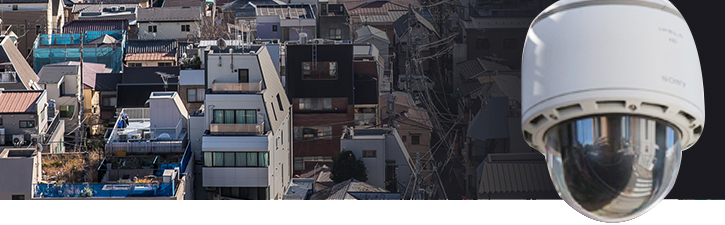
Toshima is one of the eight wards of the Tokyo metropolitan area in which people living near 300.000 citizens. With an area of 13 square kilometers, This area has tall buildings, department stores and commercial areas, in addition to residential neighborhoods with high population density. An average of 2,7 Millions of travelers cross the huge Ikebukuro train station every day., the second largest in Japan.
The great earthquake in Japan in March 2011 did not cause excessive damage to buildings and roads in the Toshima district, but there were scenes of chaos at Ikebukuro station after transport services were suspended, due to the isolation of passengers who could not return to their homes. Rescuers were having difficulty handling the situation., since they could not estimate the number of people trapped in the station or at what speed the crowd was increasing.. They could not provide accurate data such as number of passengers and movements.
 In the wake of this catastrophe, The planners of this district realized that they needed an efficient visual monitoring system that would allow them to optimally manage any type of critical situation such as earthquakes., fires or floods. This would allow accurate information to be collected and shared instantly, in order to maximize crowd safety at the station and other public areas.
Under these premises, Toshima has implemented a complete disaster prevention system, whose facilities have been installed in the town hall building in the city district, which is equipped with specialist rescue equipment and an emergency electrical generator 72 hours. In total, 51 high speed dome network cameras Sony SNC-WR632C provide real-time monitoring of train stations, main road routes, evacuation centers and other key points in the district.
Seventeen of these teams are located at transportation stations and main road intersections., where there is usually more congregation of people; while others 34 Cameras are located in specific rescue centers for schools and other facilities designated as evacuation areas.
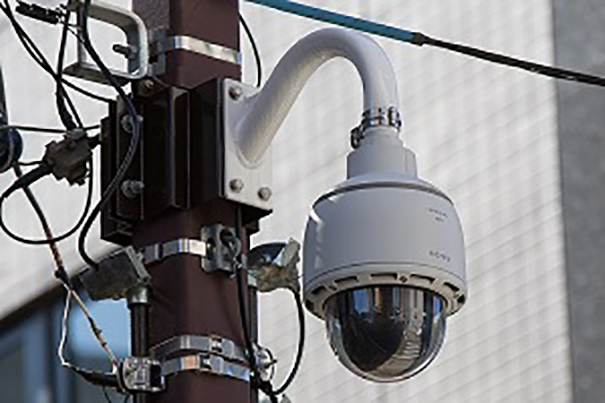 These cameras are part of a crowd behavior analysis technology solution. NEC Corporation. The images from the cameras, recorded in real time and compiled 24 hours at stations and intersections, are analyzed and an alarm is activated when crowding levels exceed the previously established limit. Along with injury reports, damage and the availability of designated rescue centers, Planners can accurately assess the situation throughout the district and make quick decisions.
Weather-resistant outdoor cameras have been installed on streetlights and highway signs just a few meters above the ground., as well as in schools and other buildings with less than 10 stories high. In combination with the powerful 30x optical zoom of these devices, the location, relatively low, provides disaster management personnel with a clear picture of what is happening at ground level in the event of an incident.
At night, High-sensitivity cameras come in handy in the neon-lit area around Ikebukuro Station, as well as in darker residential areas where conventional cameras would struggle to clearly show what is happening without additional lighting.
¿Te gustó este artículo?
Subscribe to our NEWSLETTER and you won't miss anything.