


Hanwha Vision adds radiometric thermal cameras with AI to its offering
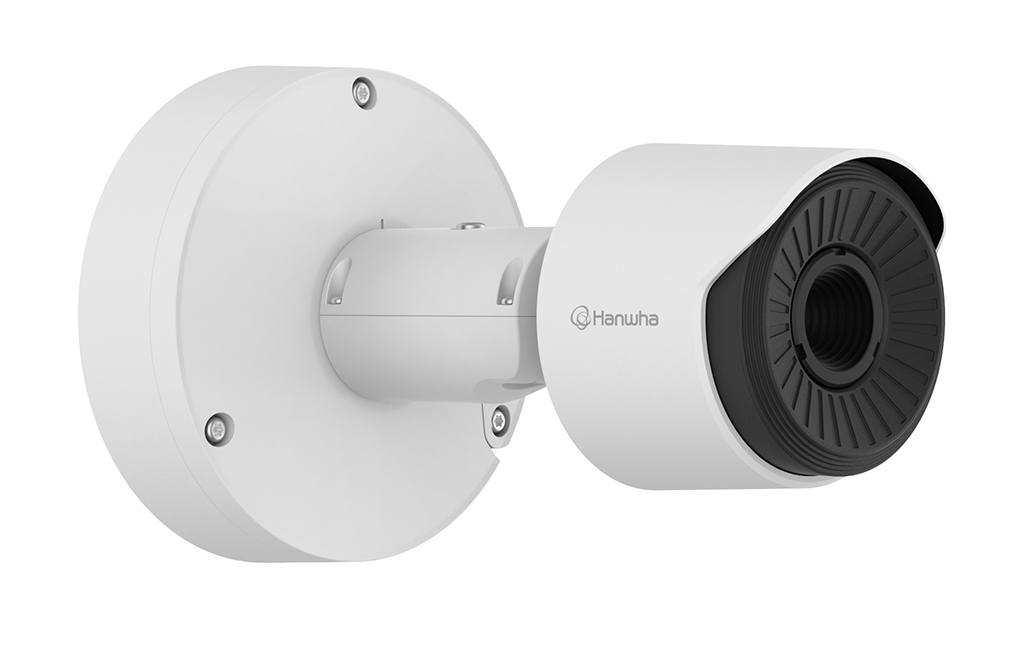
Designed for industrial applications, the new cameras Hanwha Vision, in versions of 8 y 30 ips, they can monitor temperatures and classify objects with high accuracy in scenes with demanding visibility conditions.
Hanwha Vision has launched a range of high-performance radiometric thermal cameras with artificial intelligence. With a compact design they meet the needs of customers requiring precise temperature measurements, of -40 °C to 550 °C, in addition to security and surveillance functions.
This makes them ideal for industrial applications (manufacturing, public services and energy), as well as for airports, maritime transport and mining industries.
The models in the range include a version of 8 ips (TNO-C3012TRA/22TRA/32TRA) and another of 30 ips (TNO-C3010TRA/20TRA/30TRA).
The integration of artificial intelligence in radiometric thermal cameras improves scene monitoring in demanding visibility conditions. These new cameras accurately classify people and vehicles, even in adverse weather conditions (fog, rain, snow) or difficult lighting conditions, For example, total darkness or backlight.
This allows operators to proactively protect people and assets, control access to an environment, prevent accidents and monitor temperature changes in hazardous areas.
Body temperature detection
Hanwha Vision's radiometric thermal cameras have a wide temperature detection range that goes from -40 °C to 550 °C, with a high degree of accuracy, which makes them suitable for industrial applications, such as factories and battery rooms, where temperature control is paramount.
The cameras can transmit vital data about temperature changes to operators, alerting them to possible problems with machinery and industrial materials, such as aged parts and equipment failures. When addressing any problems identified by the cameras, operators can minimize unexpected downtime, improve safety and increase maintenance efficiency. By leveraging this leading technology, the need for on-site inspections can be reduced with proactively supervised processes.
High-quality images
The pixel size of 17 µm, The enhanced sensitivity and temperature detection equivalent to noise (NETD) of 30 mK improve thermal discrimination in complex low-contrast scenes, such as high-temperature objects in a very hot environment or low-temperature objects in a very cold environment.
The cameras have QVGA resolution (384×288) and wide-angle lenses (HFoV 90˚/ 60˚/ 37.9˚), which makes them ideal for short- to medium-range monitoring applications. They can capture clear and detailed images for artificial intelligence to analyze accurately, even in difficult lighting conditions.
Easy installation and a lot of flexibility
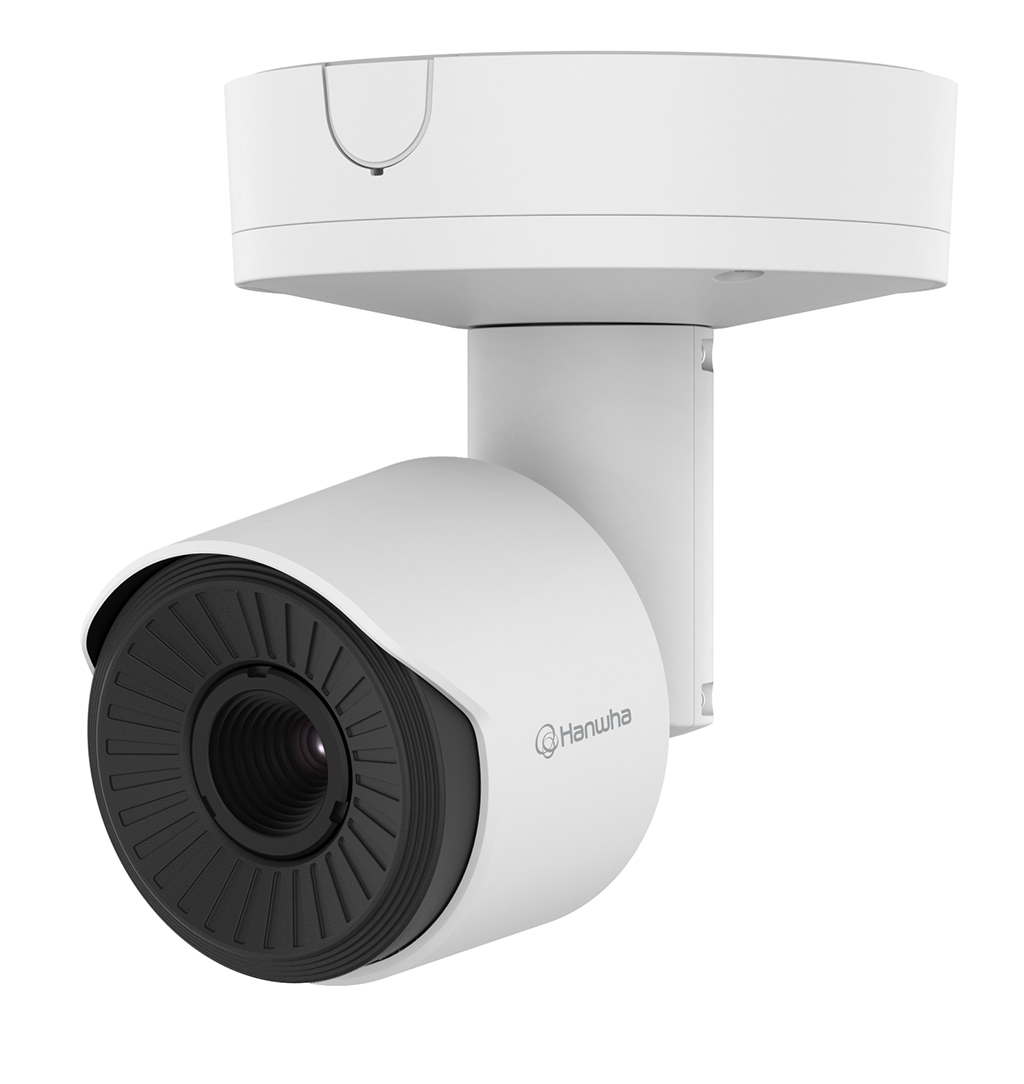
Installers will benefit from a simple installation process, since their weight is 1,7 kilograms, being a 45 % lighter than the most similar model, y son compactas, con una carcasa de cámara de tipo bullet. Con 233,5 mm in length, también son más de un 40% más pequeñas que el modelo más similar.
Las cámaras de 8 ips también quedan fuera del Acuerdo de Wassenaar, un régimen de control de exportaciones que rige productos específicos, incluidas cámaras superiores a 9 ips. Esto simplifica su exportación e importación, lo que permite un tiempo de entrega más rápido.
¿Te gustó este artículo?
Subscribe to our NEWSLETTER and you won't miss anything.