


Abast controls the capacity on the beaches of Salou with an advanced sensor system
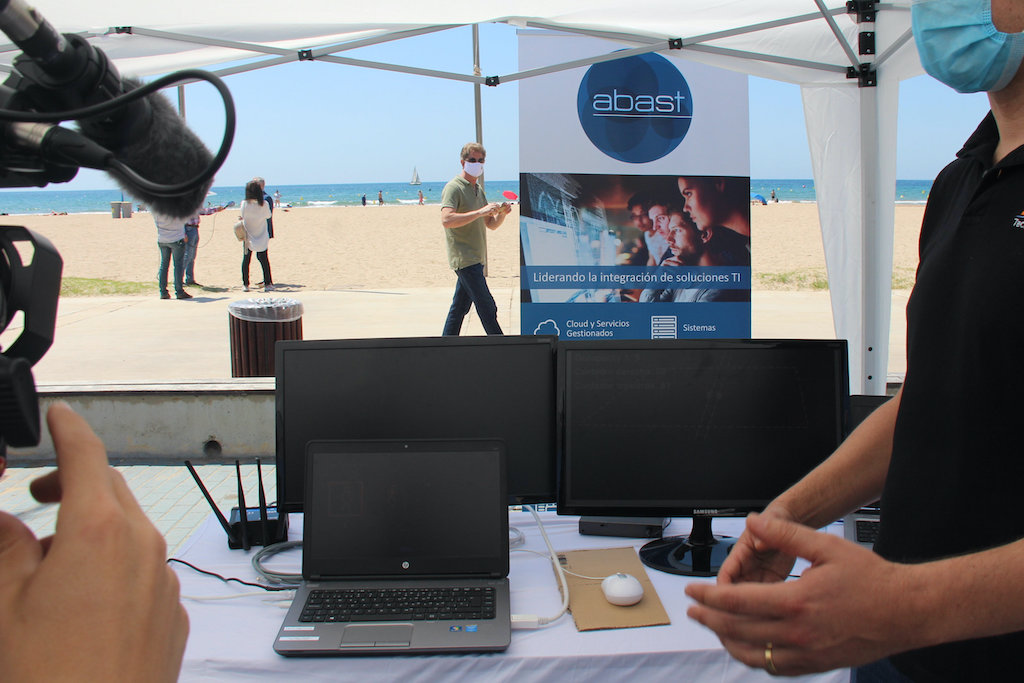
The city council of this tourist town on the Costa Dorada in Tarragona has awarded this specialist the project to monitor and ensure that the health recommendations regarding attendance and physical distancing in public spaces are followed.

The security system for controlling the capacity of the beaches in this town of Tarragona, awarded to Abast by the Salou City Council, entered testing at the end of last June, consists of the installation of twenty-two sensors based on intelligent video surveillance cameras of Bosch, that count in real time the people on the sand.
These systems have been deployed on eight beaches and coves in Salou to monitor capacity and ensure that WHO recommendations on social distancing to prevent COVID-19 are followed, as well as the Ministry of Health's orders regarding the reopening of beaches and the flow and stay in them.
 The control system will provide a new information channel on the occupancy status of the beaches, which encourages responsible use to prevent and avoid overcrowding, in addition to facilitating organization and management to guarantee health safety and protection of users/swimmers.
For this, The system is based on advanced technology, non-intrusive to privacy, ya que los sensores de las cámaras no registran ni transmiten imagen real, sino que la analizan para obtener un recuento de las personas ubicadas en una zona concreta.
Estas cámaras del fabricante Bosch incorporan inteligencia artificial y, a través del análisis de movimiento, formas y otros parámetros permiten identificar qué número de personas hay en una zona delimitada que se encuentre dentro de su área de visión (un radio de unos 150 metros).
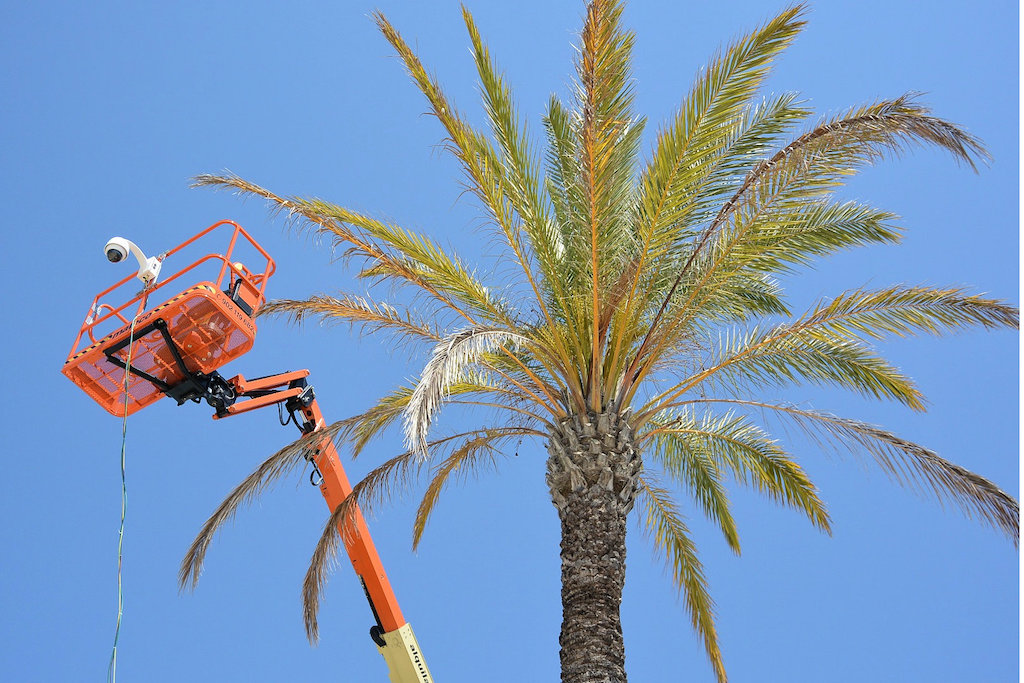 En el caso de Salou, las playas más largas, como las de Levante y Poniente (Llevant y Ponent), se dividirán en zonas virtuales para controlar la ocupación por sectores y así hacer estimaciones sobre el aforo.
The built-in Deep Learning technology allows these sensors to be 'trained' and become increasingly accurate in differentiating whether it is a person or not. After the first days of use, false positives due to shadows or shapes similar to a person will be avoided, more easily identifying people who are not moving or who have positioned themselves behind some element or object, for example, a parasol.
The metadata obtained in real time from all IoT sensors installed by Abast is transmitted to the municipality's information systems, where they will be integrated into a GIS solution so that they can be consulted by users through the web, no need to download an application, which will be shown through a three-color map (green, orange and red) which indicates the capacity threshold.
¿Te gustó este artículo?
Subscribe to our NEWSLETTER and you won't miss anything.