


DJI reprograms its drones to prevent them from flying over sensitive areas
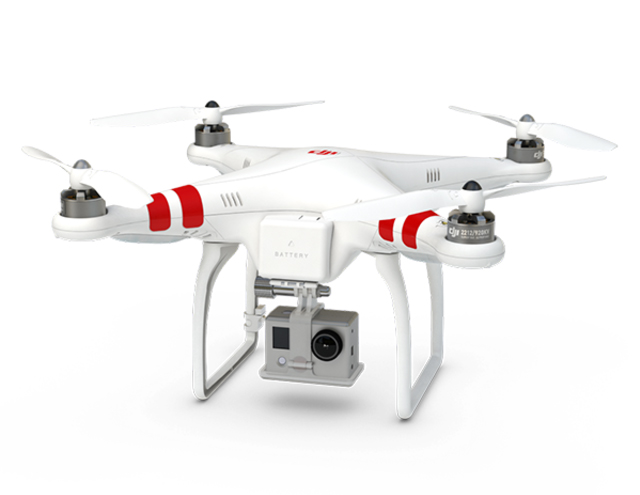
The GPS of DJI drones will detect when it enters a sensitive area for security reasons, it will notify the user and in some cases will divert its route. In this way, equipment will be prevented from flying over stadiums and other sports venues, airports, embassies and civilian and military areas.
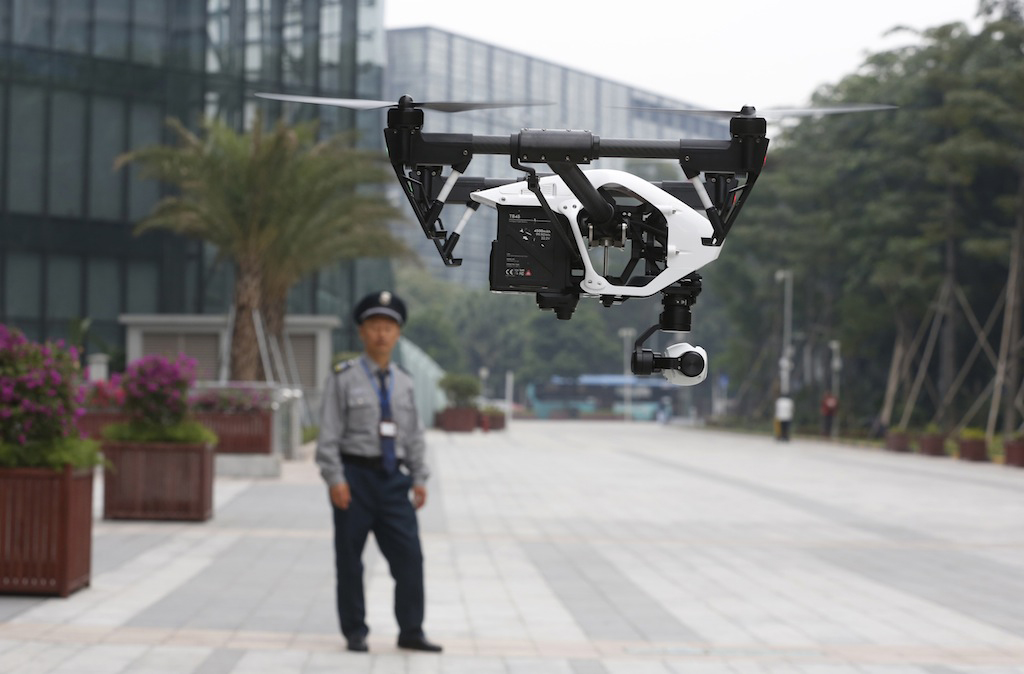
Coinciding with the terrorist alert currently in effect, DJI, one of the main drone manufacturers, has announced it will reprogram its aircraft to prevent them from flying over sensitive areas. With this update, the drone's GPS will detect when it enters a prohibited area and, depending on the alert level, it will notify the user or directly divert the aircraft's route. En este último caso, the user will be able to request a temporary unlocking of this restriction in certain areas, while in other cases the restriction cannot be lifted.
The Chinese manufacturer will prevent its equipment from flying over stadiums and other sports venues, airports, embassies and sensitive civilian and military areas worldwide that can be consulted on this site.
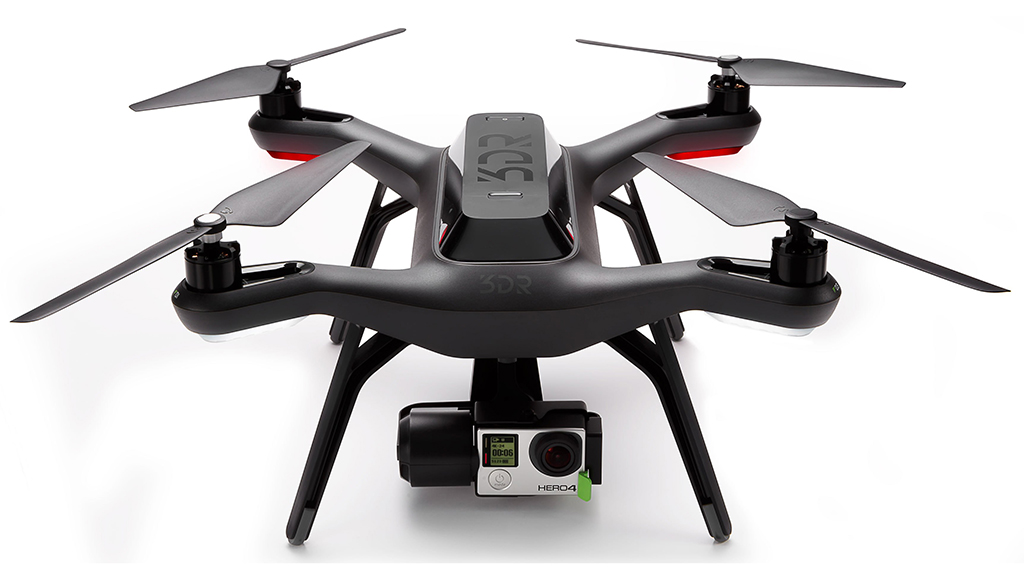
Other manufacturers like 3D Robotics have already announced that they will join DJI's initiative.
Spanish regulation
In some countries, as is the case in Spain, there is already legislation on the use of drones in cities and public spaces.
According to the State Aviation Safety Agency (AESA) drones can only be used for work such as research and development activities; aerial treatments, phytosanitary, fire extinguishing and monitoring; aerial topographic surveys; advertising production, television or film production; and emergency operations, search and rescue.
For now, and until the final regulations are approved, the operations that can be carried out are limited to non-populated areas and uncontrolled airspace.
This first temporary regulation allows the use of drones, over uninhabited areas and, for now, the use in cities or over crowds of people outdoors is not allowed, such as city parks, beaches full of people, football fields… In the case of movies, they can be used as long as it is not in urban areas.
Demonstrations, parties or concerts for now cannot be recorded with drones, unless they take place in fully enclosed venues (incluyendo el techo).
Como indica la Agencia Estatal de Seguridad Aérea en su web, los recintos completamente cerrados (un pabellón industrial o deportivo, un centro de convenciones, un domicilio particular…) no están sujetos a su jurisdicción, al no formar parte del espacio aéreo. Los titulares de esos recintos pueden decidir si autorizan el vuelo de drones en su interior y en qué condiciones. Un estadio de fútbol no tiene la consideración de recinto cerrado, a menos que su cubierta cubra la totalidad de su superficie, sin abertura ninguna.
La nueva normativa permite para una aeronave de hasta 25 kilos grabar en exteriores, pero ha de hacerse de día y en condiciones meteorológicas visuales, en zonas fuera de aglomeraciones de edificios en ciudades, towns or places inhabited or used for outdoor gatherings of people, in uncontrolled airspace, within the pilot's visual range, at a distance from them not greater than 500 meters and at an altitude above the ground not greater than about 120 metros.
To obtain authorization as a drone operator to carry out this type of work, the established procedure is prior communication and responsible declaration, so no permit or authorization is required, just an acknowledgment of receipt once the responsible declaration is submitted to the AESA Registry along with the required documentation, whose acknowledgment of receipt will authorize you as a drone operator.
Independientemente de estar habilitado como operador de drones para la realización de fotografías o filmaciones con cualquier tipo de aeronaves , tripuladas o no, es necesario obtener una autorización específica de la AESA.
[youtube]https://www.youtube.com/watch?v=vimM1nnzljo[/youtube]
¿Te gustó este artículo?
Subscribe to our NEWSLETTER and you won't miss anything.