


Schréder Shuffle helps create safe and bright environments in a versatile and modular solution
This lighting column connected to IoT allows you to integrate control systems, speakers, surveillance cameras, emergency buttons, electric vehicle chargers, public address and CCTV systems.
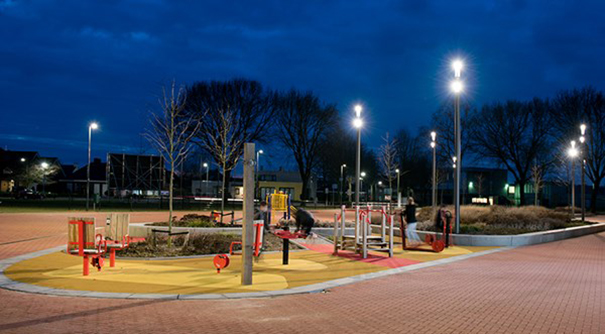
Shuffle is a solution developed by Screder whose design is designed to implement a complete range of energy-efficient outdoor lighting modules with state-of-the-art security equipment and software.
This solution is more than a lighting column as it can integrate control systems, speakers, surveillance cameras, emergency buttons, electric vehicle chargers, sensors, signaling lights, WiFi hotspots and mobile broadband.
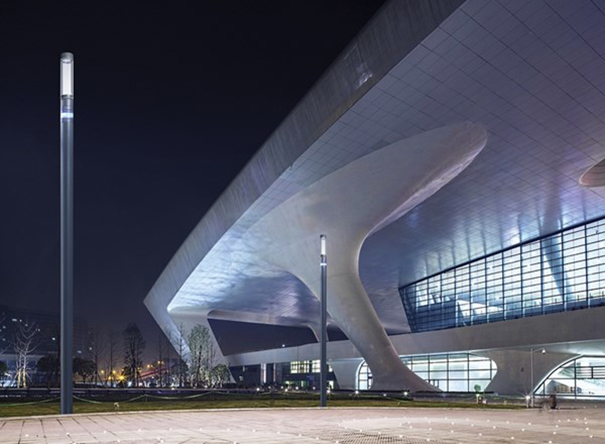
By combining these services in a single column, Less material is needed and the carbon footprint is much smaller. With lighting columns already present in the heart of many cities, campus, commercial and tourist areas, provide access to pre-approved sites, an available power supply and regularly maintained infrastructure.
This set of solutions integrated in the same column allows optimizing the security of a wide variety of spaces with applications in cities, different types of infrastructure and leisure centers.
LoRa Alliance
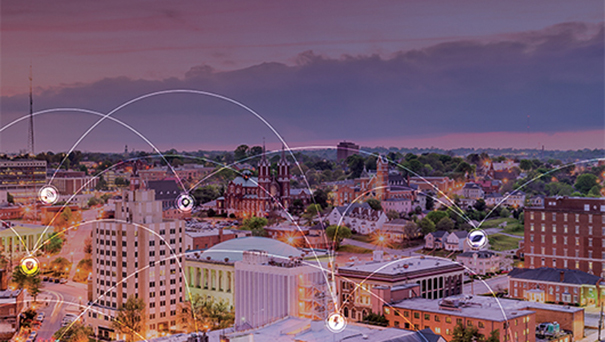
Besides, Schréder has joined LoRa Alliance, a non-profit organization committed to the LoRaWAN protocol, the leading global open standard for street lighting connectivity with other IoT devices, which facilitates the development of smart cities.
“Lighting networks have a fundamental role to play in the development of the smart city of the future. Schréder supports towns and cities to establish open and interoperable platforms by providing easy-to-integrate infrastructure, that not only provides operational benefits, but also improves the quality of life of citizens. Joining the LoRa AllianceTM ensures that our lighting products can connect to other IoT applications.”, comments Nicolas Keutgen, Schréder Innovation Director.
IoT applications are being implemented to further reduce the carbon footprint of Led lighting solutions; including dimming lighting during quiet periods and using passive infrared sensors (PIR) to adjust and adapt to changing environmental circumstances. Future implementations will include congestion management, priority for emergency services, intelligent crowd control and air pollution reduction.
¿Te gustó este artículo?
Subscribe to our NEWSLETTER and you won't miss anything.